Kwik Cricket rules explained for parents

- Kwik Cricket is a fast, inclusive format with an emphasis on fun, fair play and participation.
- Teams can have up to 10 players, with no more than 8 batting or fielding at once.
- Each team starts on 200 runs and loses 5 runs every time a batter is out.
- Every player bowls one over, and all fielders rotate positions each over.
- No fielder other than the wicketkeeper can field within 10 yards of the bat.
Note: Kwik Cricket is the ECB’s schools format. Club and league junior matches for under 8s to under 11s usually follow the ECB’s junior format recommendations instead. See our guides to under 8 and 9 pairs cricket and under 10 and 11 formats.
Kwik Cricket is built so every child bats, bowls and fields, and nobody sits out. The ECB’s rules, written for 2020, set out the version used for under 9s and under 11s. Your club or school may vary it, so use this as a guide to the idea.
The pitch
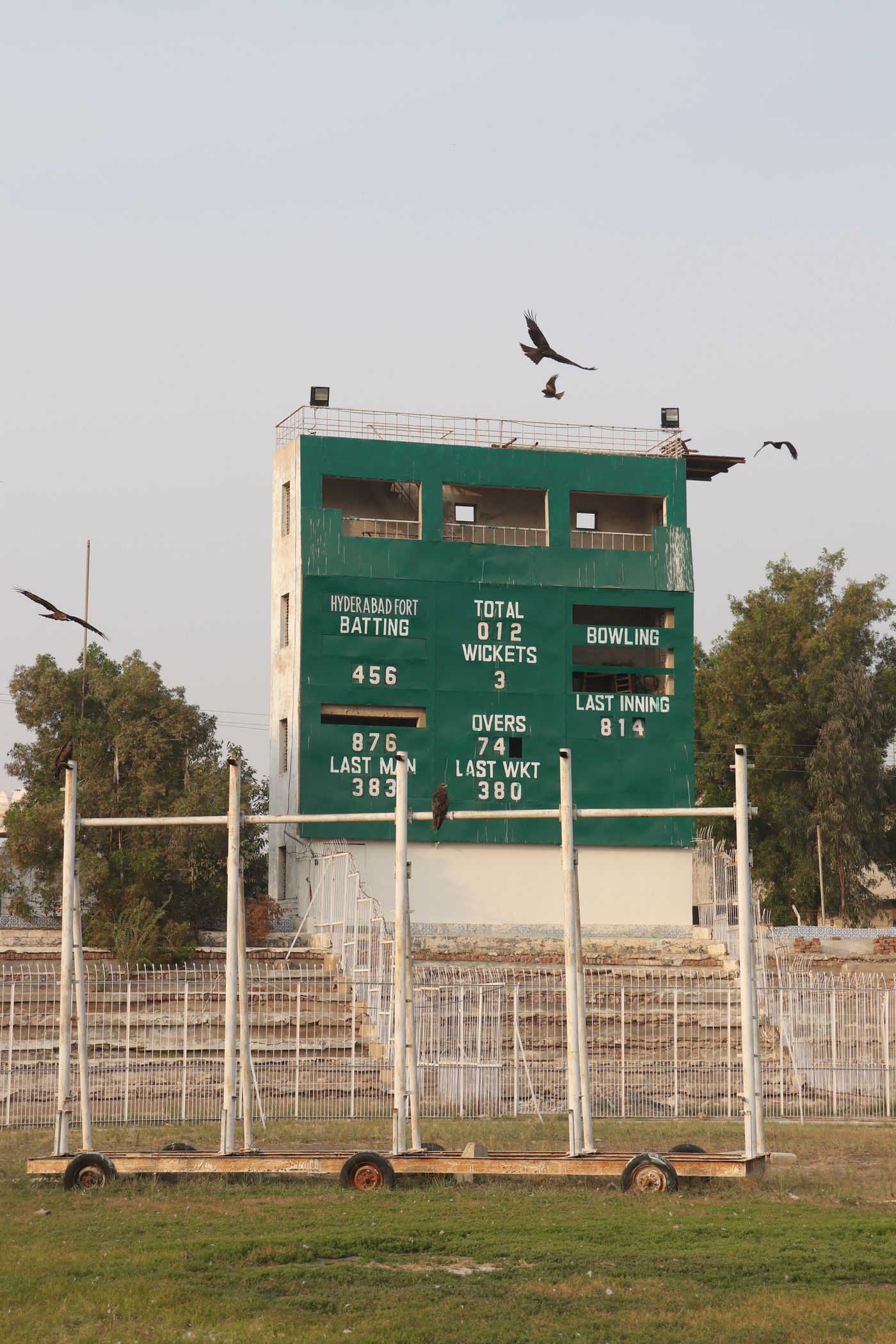
The ECB recommends wickets 15 yards apart for under 9s and 17 yards for under 11s. The recommended boundary is a maximum of 30 metres for under 9s and 35 metres for under 11s.
The teams
A squad can have up to 10 players, and no more than 8 can bat or field at any time. The captains toss a coin to decide who bats first.
Batting
Batters go in pairs, and each pair bats for two overs. A new pair comes in after the second, fourth and sixth overs. Each team starts on 200 runs, and each time a batter is out, five runs are deducted and their partner faces the next ball. A batter can be out bowled, caught, run out, stumped or hit wicket. There’s no LBW unless the batter deliberately blocks the ball with their leg or foot.
Wides and no-balls give two runs to the batting team, with no extra ball, except in the final over of an innings when an extra ball is bowled.
Bowling and fielding
Bowling is from one end only, with eight overs, and each player bowls one over. Overarm is preferred where possible. Every fielder, including the wicketkeeper, rotates position at the end of each over. Apart from the wicketkeeper, nobody can field within 10 yards of the bat.
The result
The team with the higher score wins. If it’s a tie, the team that took more wickets wins, and if that’s equal too, each player bowls one ball at the wickets and the higher number of strikes wins.
Where parents slip up
Looking at the score. Because you start on 200 and lose five per wicket, the numbers look odd, and the point is that being out costs little. Let the children enjoy it.
Common questions
Why are the scores so odd? Each side starts on 200 and loses five runs per wicket, so totals look strange. Being out costs a little, and nobody sits out.
Does this apply at every club? The ECB says clubs and schools may vary it. Ask your coach.
What about safety rules? Fielding limits are in our helmet and fielding guide, and kit rules are in the helmet guide.