Under 10 and under 11 cricket formats, soft ball or hard ball
- The ECB recommends eight a side on a 15.5m (17 yard) pitch, one innings of 16 to 20 overs, no longer than two hours.
- Boundary: 35m for a soft ball, 40m for a hard ball.
- Batters retire at 25 runs and have two lives.
- Each player bowls at least two overs and no more than four.
Under 10 and 11 cricket is where it starts to look like the real thing, with a few safety nets built in. The format comes from the ECB’s junior recommendations.
The set-up
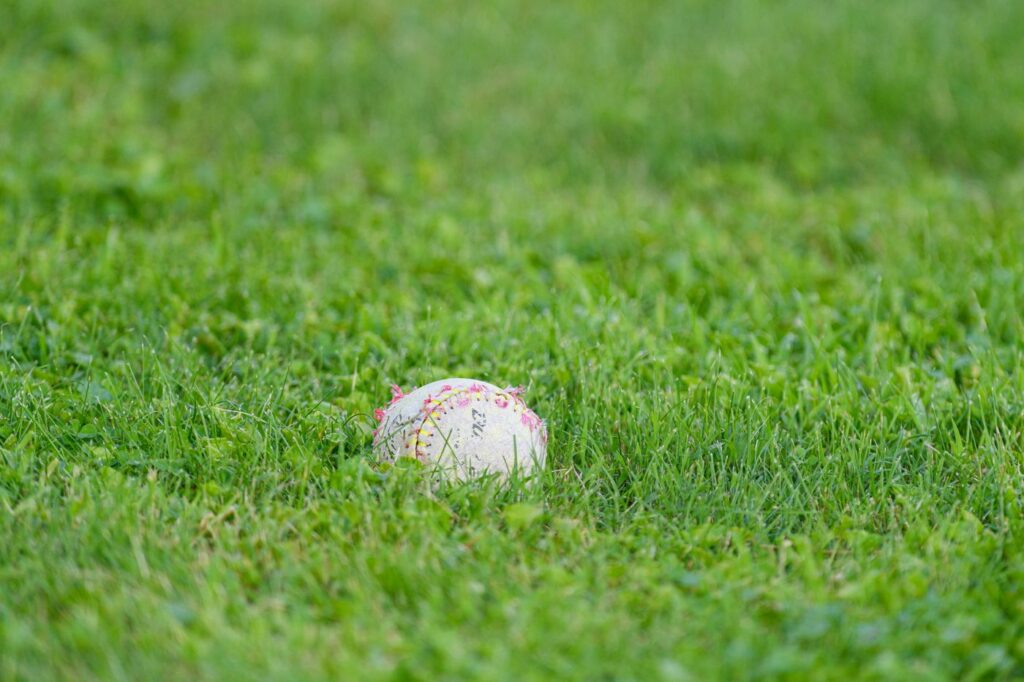
The ECB’s under 8-11 recommendations list standard cricket with a hard ball, or wicket and LBW with a soft ball, two teams of eight, and a 15.5m pitch set up on the outfield. Use a 4¾ ounce cricket ball or a soft rubber ball. Bats can be wooden or plastic.
Batting
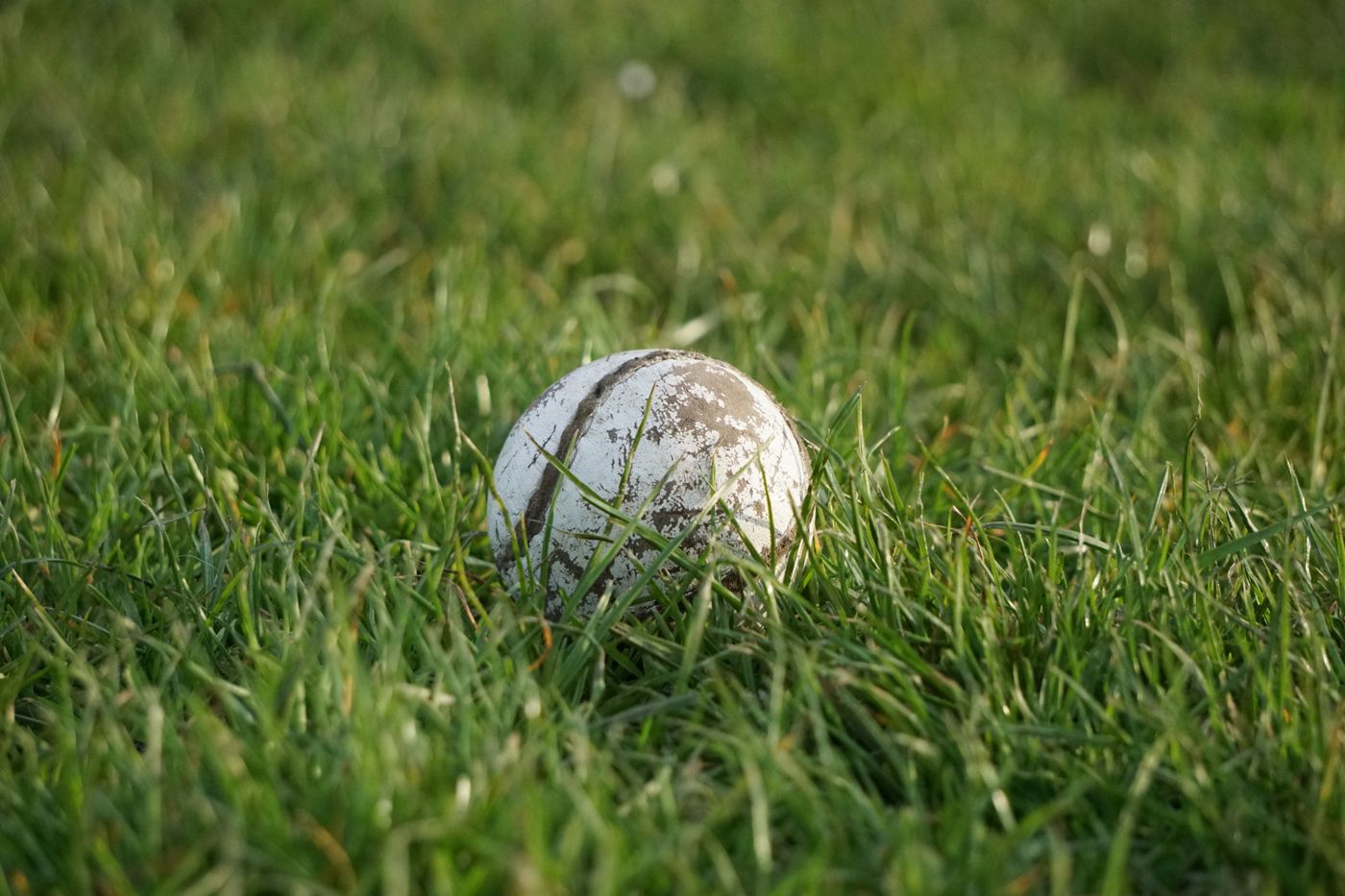
All batters retire at 25 runs, and the last scoring shot counts, so a batter on 24 who hits a six retires on 30. Batters have two lives. If only one batter remains, a retired batter can come back in to partner them, and when they are next out, they’re out. The ECB lists the ways to be out as bowled, caught, run out, stumped and hit wicket.
Bowling and fielding
All players must bowl at least two overs (except the wicketkeeper in hard ball cricket) and no more than four, all from the same end for the entire game. Overs have six deliveries, with a short run up. Fielders rotate, but in hard ball cricket the wicketkeeper stays put for the innings.
Safety
The ECB’s recommendations say protective gear should be worn for hard ball cricket: helmet, pads, gloves and protector. Under the ECB’s safety regulations, under 18s batting against a hard ball must wear a helmet with a faceguard. See our helmet guide.
Rain
Eight overs per team counts as a game at under 10 and 11, says the ECB.
Common questions
Does every club use the hard ball? No. The ECB lists both soft and hard options. Ask your club.
How do bowling limits work? The overs above are format limits for this age group. The ECB’s separate fast bowling regulations apply too.
Previous step: under 8 and 9. More in the cricket section.
Sources
- https://cricketwales.org.uk/wp-content/uploads/2025/11/ecb-junior-cricket-formats-recommendations.pdf
- https://resources.ecb.co.uk/ecb/document/2025/12/16/79efc12c-b0a0-4aeb-9774-347c138e00c0/Recreational-Cricket-Safety-Regulations-Dec-2025-Update.pdf
- https://www.mynewsdesk.com/uk/england-and-wales-cricket-board/pressreleases/changes-to-junior-formats-of-cricket-set-to-enhance-experience-2853416