How to practise squash between sessions (solo and at home)
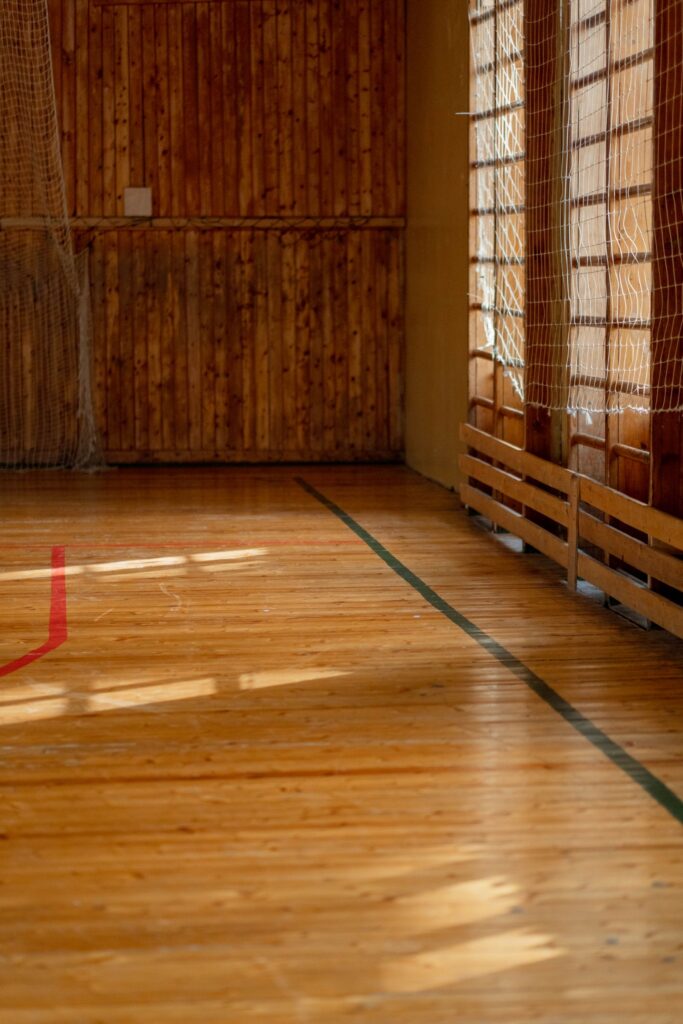
- Squash improves fastest with little-and-often practice between weekly sessions.
- A booked court alone is a great coach: solo hitting builds control and stamina.
- Movement games at home build the footwork squash depends on.
- Keep it fun and short; the weekly session stays the anchor.
One coached session a week is the right start, and small doses of practice between sessions help new skills stick. Here is what works, without needing a partner or much space.
Solo court time: the best-kept secret
Squash is unusual among racket sports in that one player and one court make complete sense. Booking a court for 30 minutes lets your child hit continuously against the front wall: simple drives down one wall, then the other, counting how many they can keep going. England Squash’s how-to-play guide teaches returning to the T after every shot, and solo hitting is the perfect place to build that habit early. Court hire is cheap and off-peak times are quieter, as our costs guide covers.
Ball skills at home
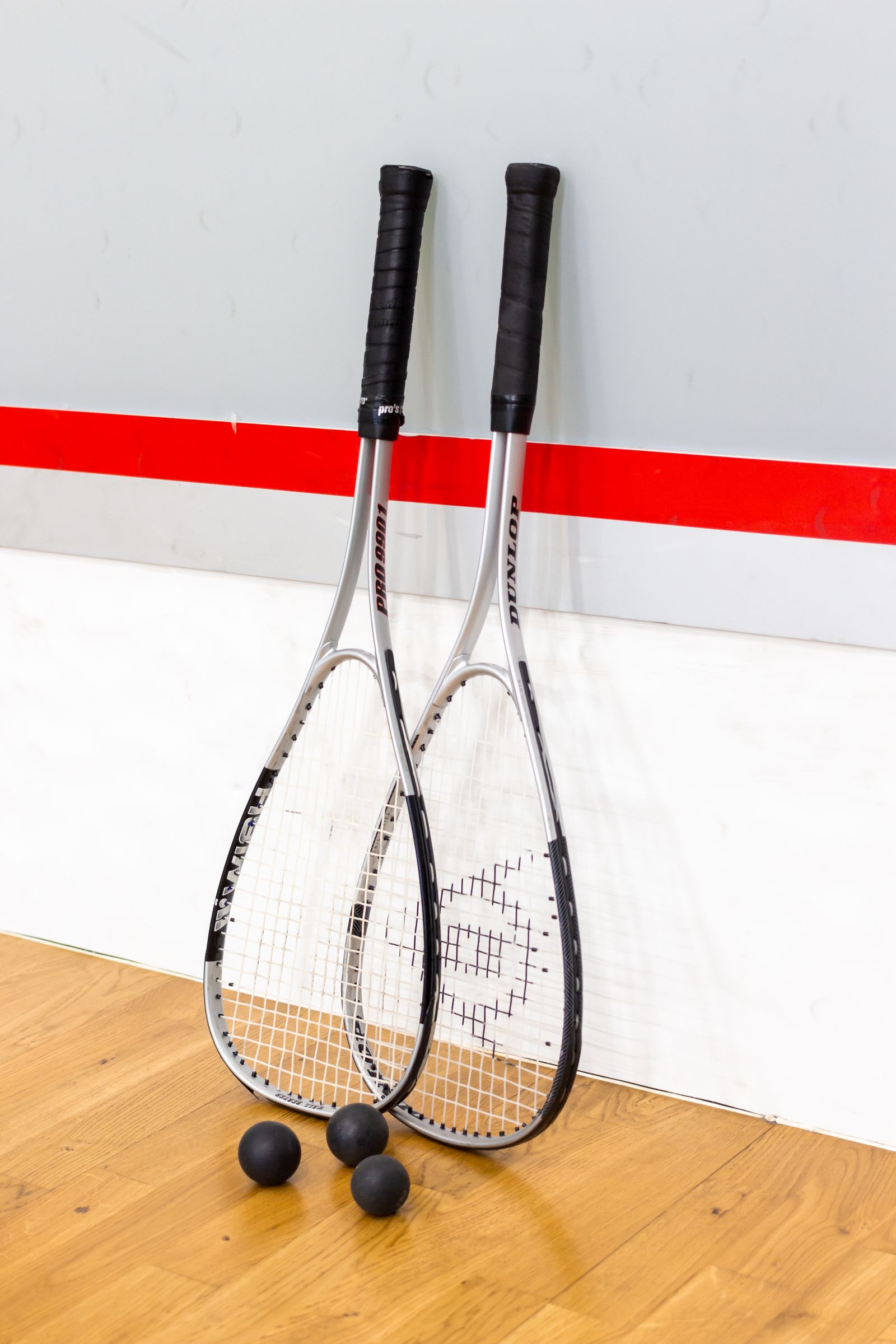
A racket and ball at home build touch without a court. Children can bounce the ball on the racket strings, alternate sides, or tap it gently against a clear outdoor wall, exactly the kind of hand-eye work beginner sessions start with. Five minutes most days beats an occasional long session, and it keeps the racket familiar between weekly visits.
Footwork and movement games
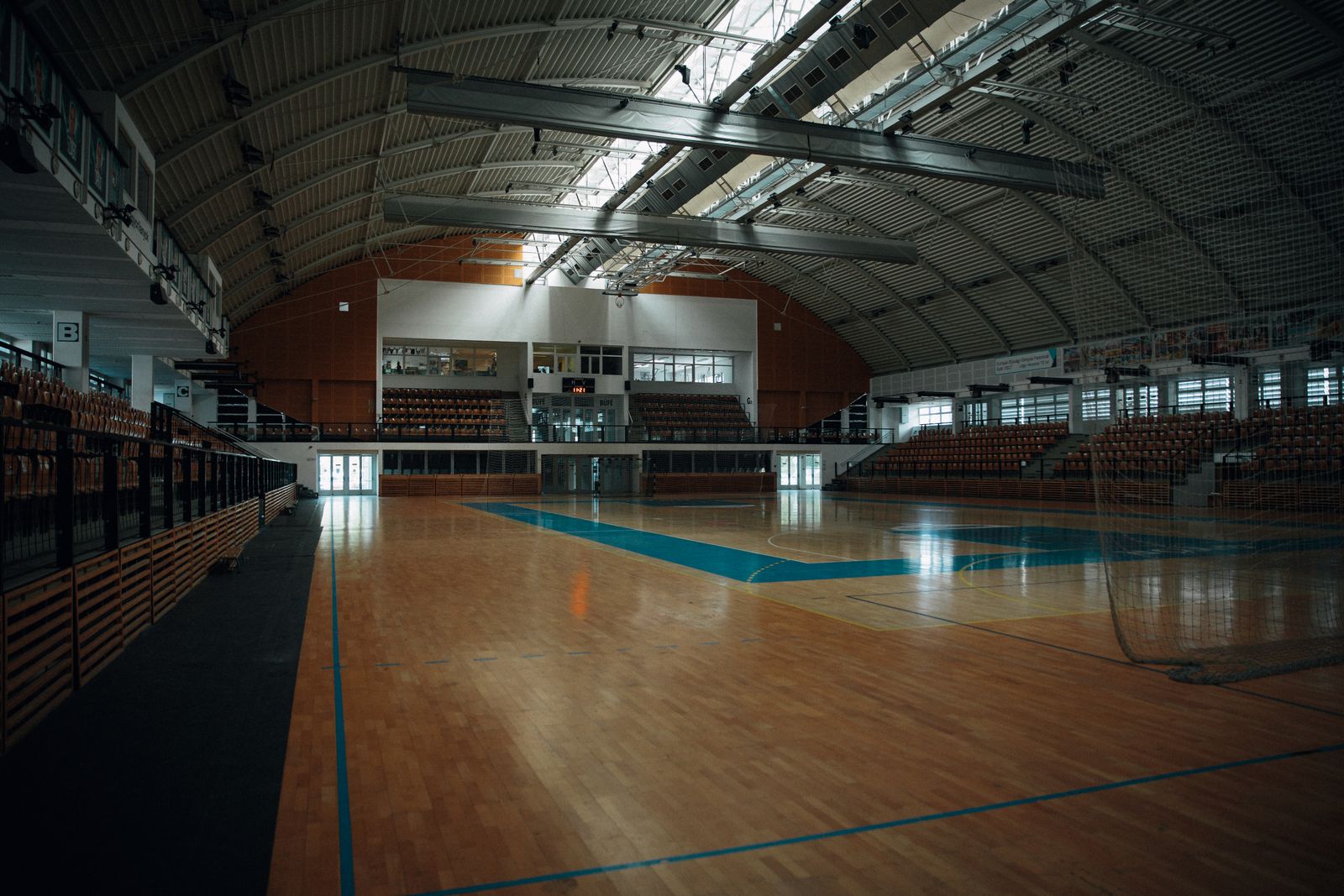
Squash is won with the feet, and movement practice needs no equipment at all. Ladder-style quick steps, side-to-side shuffles, and simple chase games in the garden all build the stopping, starting and changing direction that squash demands. Fit children enjoy sessions more and rally longer, so any active play between sessions counts.
Watching and learning
England Squash members get discounts on SQUASHTV, the sport’s streaming service, and even free highlights show children what fluent movement looks like. Watching a few rallies together and copying the ready position is surprisingly effective, and our rules guide helps you both follow what the players are doing.
Keep the balance right
The weekly coached session stays the anchor; home practice is seasoning, not the meal. Stop while it is still fun, praise the effort, and let the coach steer what to work on next, as the first session guide explains how that relationship starts.
Common questions
Is solo hitting boring for children? Turned into a counting challenge, most enjoy beating their rally record. Keep it short and it stays fresh.
Do we need our own racket first? For home ball skills, yes eventually; the kit guide covers the cheap starter options, though clubs lend for sessions.
Where can I read more? The sources below are England Squash’s own pages. More guides sit in the squash section.