Squash rules and scoring explained for parents
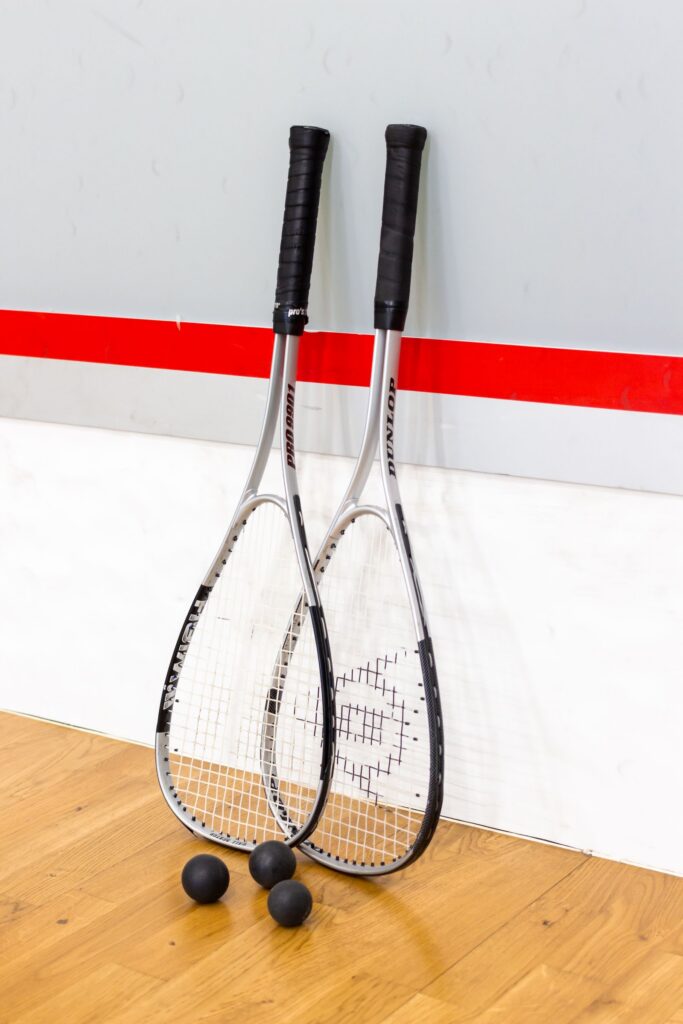
- Players take turns hitting the ball against the front wall; it must stay above the tin and below the red lines, and bounce at most once.
- Games are played to 11 points, and at 10-10 you must win by two clear points.
- The server needs one foot in the service box and must land the ball in the opposite back quarter.
- Lets replay the point when a shot cannot be played safely; strokes award it.
Squash looks chaotic from the balcony until someone explains five rules. Here is the parent’s version, matching England Squash’s own how-to-play guide.
The rally: front wall, tin and lines
Players take turns hitting the ball against the front wall. The ball may travel via the side or back walls, but it must reach the front wall before it hits the floor, and it must arrive above the tin, the bottom section of the front wall, and below the red out-lines. Hit the tin, go above the lines, or let the ball bounce twice, and the rally is over. Win the rally, win the point, no matter who served.
Serving: boxes and quarters
Every point starts with a serve, and a racket spin decides who serves first. The server picks a side, keeps at least one foot inside the service box, hits the front wall above the middle service line, and must land the ball in the opposite back quarter of the court. Win the point and you keep serving, alternating sides each time; lose it and the serve passes to your opponent.
Scoring: to 11, by two
Games are played to 11 points, but you must win by two clear points: at 10-10, play continues until someone leads by two. Matches are usually the best of three or best of five games, which is why junior events fit several matches into an afternoon.
Lets and strokes: the safety valve
Squash packs two players into a small box, so the rules protect them. If your opponent is too close for you to play your shot safely, play stops and the point is replayed: a let. If their position stops you playing the shot at all, that is a stroke, and you win the point automatically. Beginners hear both constantly, and they are the reason good players call out rather than swing through traffic. The classic habit coaches teach is returning to the T, the middle of the court, after every shot.

Watching your child play
With these basics you can follow a real match: count to 11, watch the two-point margin at 10-10, and listen for let calls. Our competitions guide explains where matches happen, and the starting age guide maps the route in from age five.
Common questions
Is the scoring the same for juniors? Yes; children play to 11 with the same win-by-two rule, though beginner events sometimes shorten formats.
What is the tin made of? A metal strip at the base of the front wall that makes a distinctive clang, which is how everyone knows the rally is over.
Where can I read more? The sources below are England Squash’s own pages. More guides sit in the squash section.