What age can children start dance classes?
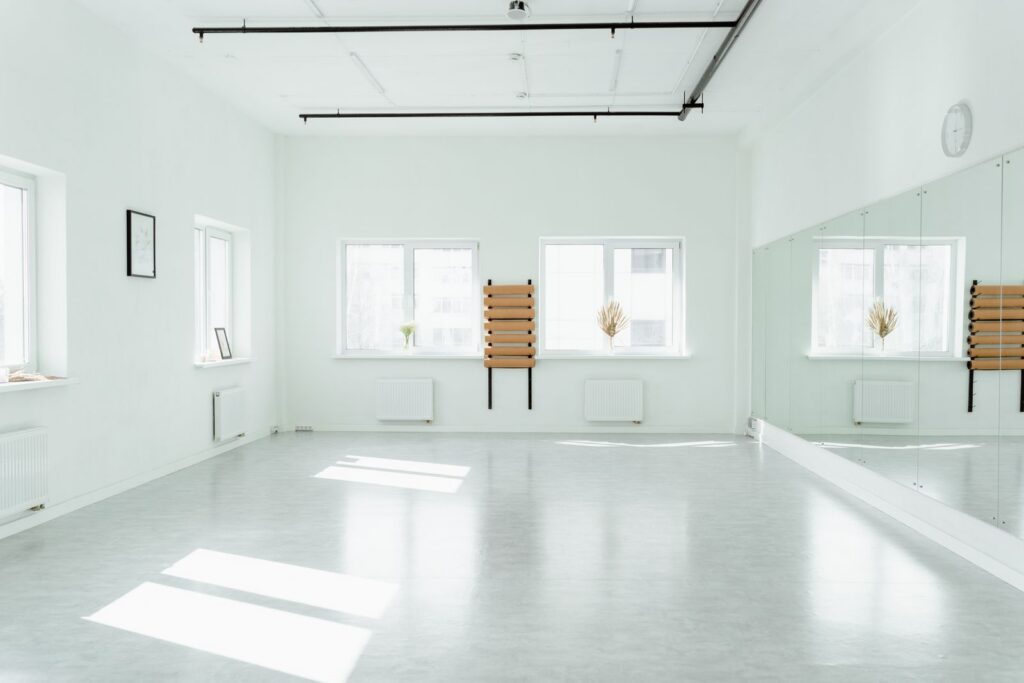
- Parent-and-child dance sessions start from around age two and a half.
- Independent classes begin at three to four, with set music-and-movement curriculums.
- Structured syllabus classes (Pre-Primary, Primary) start at five and six.
- Graded work and exams follow from around age six or seven, but exams are optional.
Dance has one of the gentlest starting ages of any activity, and one of the most structured ladders once children are in. Using the Royal Academy of Dance’s own class structure and the ISTD’s examination levels, here is how the ages actually work.
Two and a half to four: dancing together, then alone
The earliest rung is the family class. The Royal Academy of Dance’s Family Dance sessions take children from two and a half to three years old, with a parent or carer joining in. From three, children move into independent classes: the RAD’s Dance to Your Own Tune curriculum runs in two levels, for three-year-olds and four-year-olds, built around movement, music and imagination rather than formal technique. At this age, classes are structured play: skipping, balancing, storytelling through movement.
Five and six: the syllabus begins
Formal syllabus work starts at five with Pre-Primary, then Primary at six. Both the RAD and the ISTD use these levels, and they sit below Grade 1 in the exam structure. The ISTD’s grades are accredited by Ofqual from Grade 1 upwards, with Pre-Primary and Primary existing specifically as the stepping stones for younger children. This is when ballet positions, basic tap rhythms and simple sequences start to appear, still wrapped in plenty of games.
Seven onwards: grades, if you want them
From around six or seven, children can begin graded classes, working through Grade 1 and beyond in ballet, tap, modern and other styles. The key word is can. Exams are a way to mark progress, not a requirement, and plenty of children dance happily for years without taking one. Our guide to dance exams and grades explains how the systems work when the time comes.
Starting later is normal too
Dance schools take beginners at every age, and older beginners are placed by ability and maturity rather than simply by birthday. A nine-year-old starting ballet joins other beginners; nobody expects a late starter to have done preschool classes first.
Common questions
Is two and a half too young for real benefit? Family classes at that age build coordination, rhythm and confidence with separating from you. They are short, gentle and meant to be fun.
Will my child be behind if they start at eight? No. Beginners are grouped together, and older beginners often progress faster through the early material because they can concentrate for a full class.
Do all dance schools follow this ladder? The age bands above come from the RAD’s own school. Independent schools set their own class ages, but most follow a similar shape, especially those teaching RAD or ISTD syllabuses.
Where can I read more? The sources below are the RAD and ISTD’s own pages. More guides sit in the dance section.