How to teach a child to ride a bike
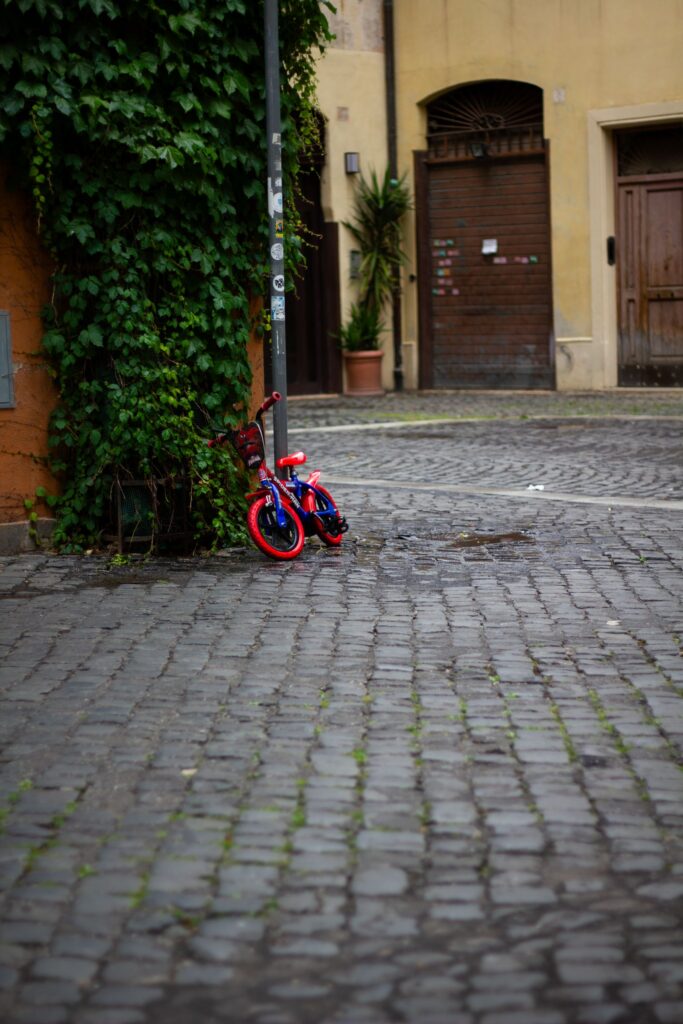
- Balance bikes, or a pedal bike with the pedals removed, teach the hard part first: balance.
- Practise on flat, open, traffic-free ground in short sessions that end while it is still fun.
- Hold the child’s shoulders, not the bike, and let them scoot and glide.
- Most children go from wobbles to riding within a handful of sessions.
Teaching a child to ride is one of parenting’s great milestones, and it is much simpler than the running-alongside-the-saddle cliche suggests. The modern method splits the job in two: balance first, pedals second.
Stage one: balance
Balance is the only genuinely difficult skill in cycling, so teach it on its own. A balance bike does this naturally: the child sits, pushes with their feet and gradually lifts them for longer glides. No balance bike? Take the pedals off an ordinary bike and lower the saddle so both feet touch the ground flat. Encourage scooting, then gliding, then gliding with feet up for a count of three. Gentle grassy slopes help momentum, but flat tarmac is safer for most.
Stage two: pedals
Once your child glides confidently, refit the pedals. Set the saddle so they can still touch the ground, find an open flat space, and have them start with one pedal at the two o’clock position for a strong first push. Expect ten or twenty minutes of wobbling before it suddenly clicks. If you must steady them, hold their shoulders, never the handlebars or saddle: holding the bike stops them feeling its balance.
Where and when to practise
Empty playgrounds, park paths, tennis courts and quiet cul-de-sacs all work; avoid anywhere with traffic, steep slopes or crowds. Keep sessions to twenty or thirty minutes and stop while your child is still enjoying it: tired, frustrated children learn nothing. A properly fitted helmet from the very first scoot builds the habit for life.
Common mistakes to skip
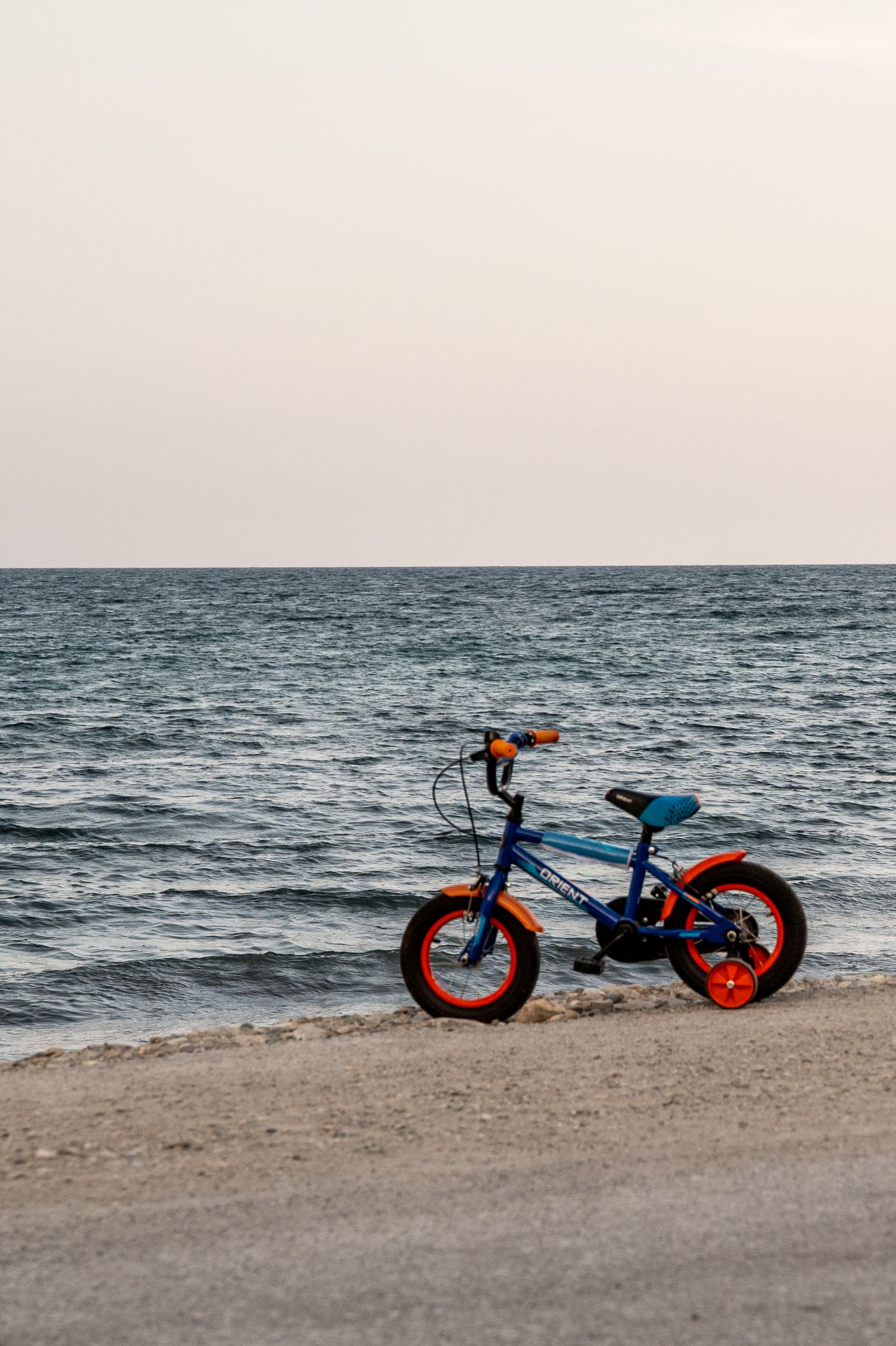
Three traps slow children down. Stabilisers teach pedalling without balance, which means learning the hard skill twice. Grabbing the bike stops the child feeling how it moves. And long, marathon practice sessions turn a milestone into a chore. Short, frequent, playful wins every time. Our starting age guide maps when each stage usually lands.
What comes next
Once your child rides confidently, British Cycling’s Go-Ride programme is the natural next step: kids’ clubs offering fun, coaching and competition, searchable through the governing body’s club finder. Our club finder guide walks through choosing one.
Common questions
What age can we start? Balance bikes work from around two or three; pedals typically click around five or six. Confidence matters more than birthdays.
Are stabilisers really that bad? They are not harmful, just slow. A pedal bike with the pedals removed teaches balance faster.
Where can I read more? The sources below are British Cycling’s own pages. More guides sit in the cycling section.