Swimming with verrucas, eczema and sore ears: what parents need to know

Most children with verrucas, eczema or athlete’s foot can keep swimming. Swim England says that for the majority of common skin conditions swimming is fine, and the NHS says to cover a verruca with a plaster at the pool. A few conditions are different, and a child with an ear infection needs a break from the water.
In short:
- A verruca is not a reason to stop swimming. Cover it with a waterproof plaster.
- Eczema is fine for swimming unless there is a recent flare-up or an infection. Rinse and moisturise afterwards.
- Impetigo, cellulitis and chickenpox mean staying out of the pool until the skin has recovered.
- The NHS says not to swim while a child has an ear infection.
- If your child is in pain, or you are unsure, ask your GP or pharmacist.
Verrucas
Verrucas are warts on the sole of the foot, caused by a virus. The NHS says they spread through contaminated surfaces or close skin contact, and you are more likely to spread one if your skin is wet or damaged. Its advice is to cover warts and verrucas with a plaster when swimming, change socks daily, avoid sharing towels, socks or shoes, and avoid walking barefoot in public places if you have a verruca.
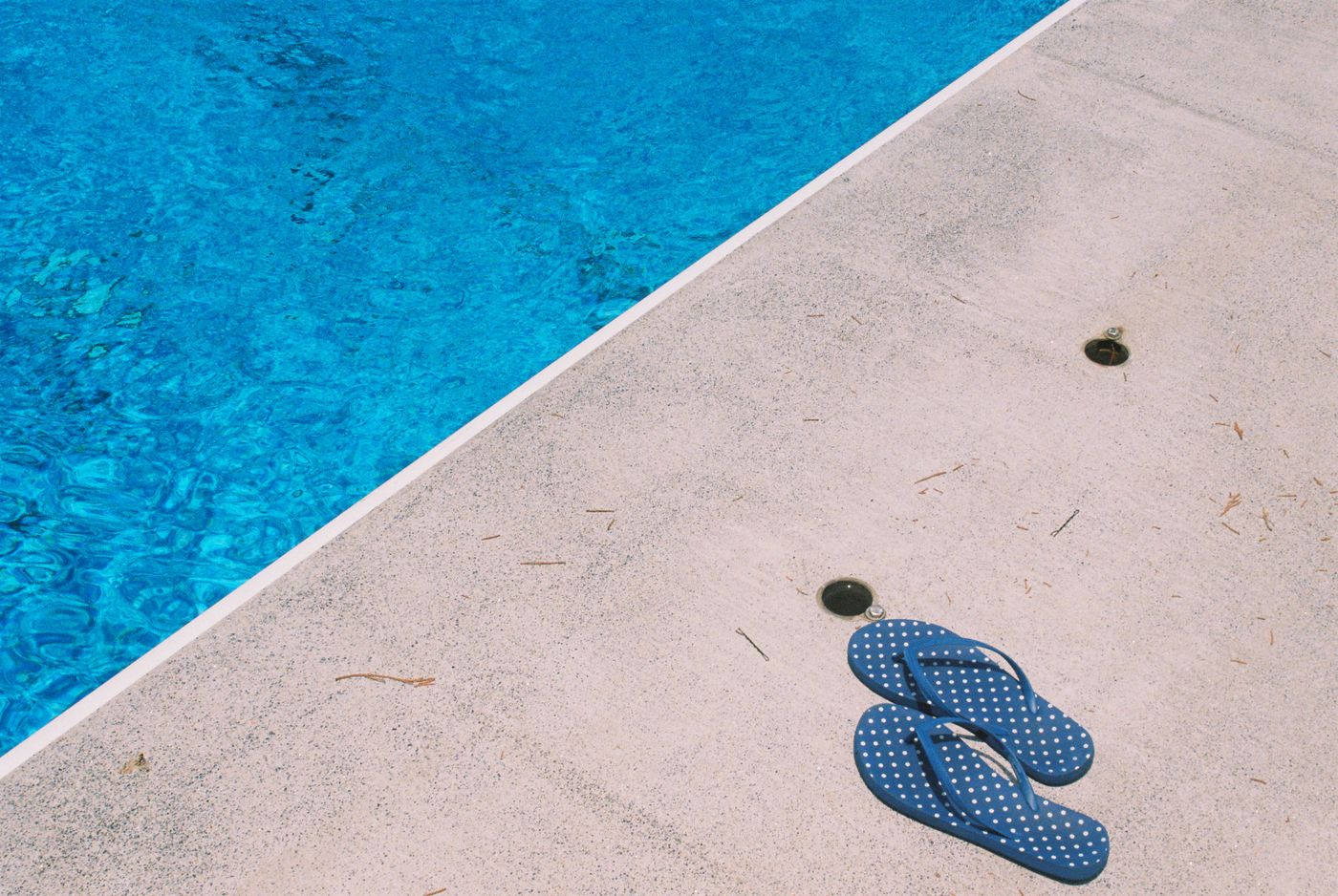
Swim England’s skin conditions guidance, updated in September 2026, says verrucas are very common in children and are not a reason not to swim. They usually clear up on their own within one to two years and need treatment only if painful. Its Learn to Swim advice says a waterproof plaster is enough during lessons, and that plastic verruca socks have limited value. Flip-flops on the poolside and in communal showers may reduce the chance of infection.
Eczema
Swim England says swimming is fine with eczema, provided there is no recent flare-up or secondary infection. It suggests a lukewarm shower before swimming and a layer of cream or ointment to protect the skin. Afterwards, have a long shower that is not too hot, then use more cream than usual once dry. Chlorine tends to dry the skin, which is why the rinse and the moisturiser matter.
Some children find chlorinated or salt water irritating. Swim England says ozone pools may suit them better, though it also notes that recent evidence suggests chlorine’s effect on bacteria can be beneficial for eczema. If your child’s skin reacts, talk to your GP.
Athlete’s foot, molluscum and when to stay out
Athlete’s foot causes moist, peeling, itchy skin between the toes. Swim England says treatment is keeping the skin clean and dry plus an antifungal cream from a pharmacist, and that drying properly between the toes and wearing pool shoes in communal areas may reduce the chance of infection. Molluscum contagiosum spots are best covered with a waterproof plaster, and children should not share towels or kickboards. Swim England says swimming is allowed unless there are open sores or further infection.
For impetigo, cellulitis and chickenpox, the same guidance says to avoid swimming until the skin has recovered. If you are unsure which rash your child has, get it checked before the next lesson.
Sore ears
The NHS ear infections page says not to swim while a child has an ear infection, and not to let water or shampoo get into the ear. Among the things it says can help prevent ear infections is using earplugs or a swimming hat over the ears when swimming. Earache that lasts or gets worse is one for the GP or pharmacist.
Before the next lesson
Pack a spare towel, flip-flops and the cream your child uses, and tell the teacher about any plaster or skin condition so they are not surprised. Our guide to swimming goggles for children covers the rest of the bag, the Learn to Swim stages explain what lessons build towards, and swimming badges and awards shows what comes next. All our swimming guides sit in the swimming section.
Common questions
Does my child have to stay out of the pool with a verruca? No. Swim England says verrucas are not a reason not to swim, and the NHS advises covering them with a plaster.
Will chlorine make eczema worse? It can dry the skin, so shower afterwards and moisturise. Some children find pools irritating, so watch how your child’s skin reacts.
Can my child swim with an ear infection? The NHS says no. Wait until it has cleared.