Sailing for children: how to start, ages and costs
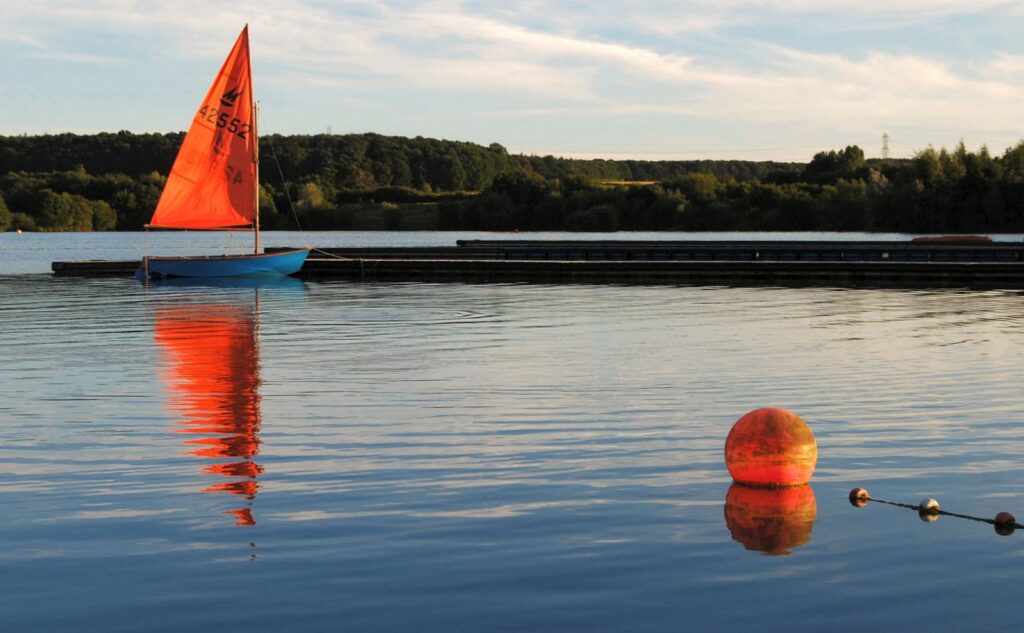
Most children can start sailing from around age 8, and the usual way in is a short taster or beginner course at a local club or RYA training centre, where boats and buoyancy aids are normally provided. Here is how the RYA’s youth pathway works and what to ask before you book.
In short:
- The RYA says its OnBoard programme is for ages 8 to 18, with no experience needed, and that most children start from around 8.
- Many clubs and centres welcome younger children for a first session, but minimum ages are set by each centre.
- Most beginner sessions include the boats, buoyancy aids and wetsuits. Children usually bring a towel, spare clothes and shoes that can get wet.
- RYA Youth Sailing Scheme Stage 1 is described as about two days, or 16 hours, of practical on-the-water learning.
- Costs vary between centres, so ask for the price of a taster first.
Starting with OnBoard
The RYA describes OnBoard as its grassroots junior sailing and windsurfing programme, run through local clubs and centres. It says no previous experience or equipment is needed. A typical starter session lasts around 2 to 4 hours including getting ready on land, and the RYA says sessions use specially designed children’s boats that are stable and easy to handle.
On cost, the RYA says exact prices vary between training centres and that many clubs offer low-cost taster sessions and junior memberships. It does not give a single price, so check with the venue.
Finding a club or centre
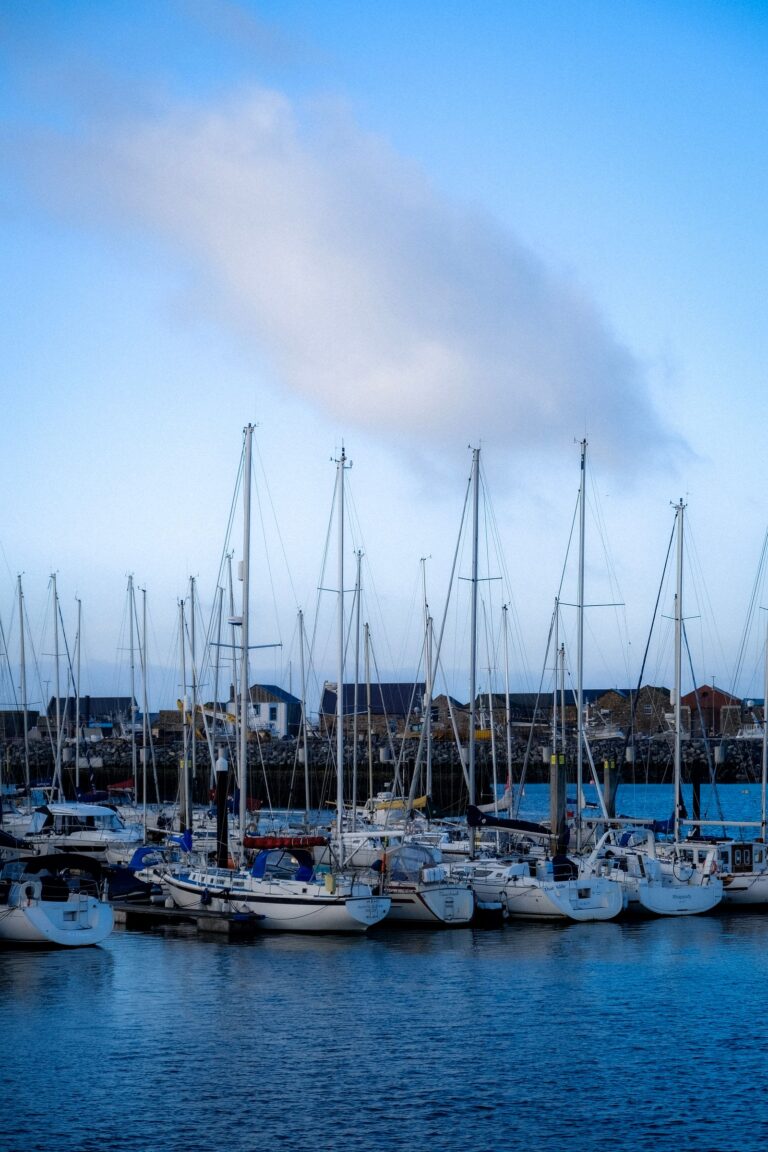
The RYA’s get started guide says the best place to begin is your local sailing club or training centre. It says most centres offer courses and sessions for children from eight years old, sometimes younger, and that many run after-school sessions and holiday clubs. It also suggests checking whether a centre accepts childcare vouchers.
The same page says venues run Discover Sailing taster sessions for very little cost or free, and that no experience is needed. Because a taster lets your child see the water and the kit before you commit, it is a sensible first step. Sailing happens on open water, so it is worth reading our guide to water safety messages for children and asking the centre how it supervises sessions.
The RYA Youth Sailing Scheme
For children who want structured learning, the RYA Youth Sailing Scheme runs in four stages. The RYA’s Stage 1 course page lists no required experience, a practical course on the water of approximately 2 days or 16 hours, and a minimum age that is “centre specific”. Content covers launching and recovery, sailing across the wind, turning around, and steering and the basic parts of the boat.
The RYA’s youth dinghy leaflet sets out the later stages. Stage 2 adds basic sailing skills, ropework and collision avoidance. Stage 3 covers rigging, launching and recovery and capsize recovery. Stage 4 builds on that. The leaflet also says you do not have to start at the beginning if your child already has suitable experience, and that racing courses follow for those who want them. This leaflet mentions a 2021 transition for racing courses, so check the current racing course names with your centre.
Common questions
Does my child need their own kit? Not usually to begin with. The RYA says most beginner sessions include boats, buoyancy aids and wetsuits, and that children typically need a towel, a change of clothes and shoes that can get wet.
Is there a minimum age? The RYA gives around 8 as the usual starting point, but each centre sets its own minimum age, so ask the centre.
Can a child with a disability take part? The RYA says its Sailability programme offers activities adapted to different abilities, with more than 200 sites across the UK and beyond.
Where can we find more? Browse our sailing articles as the section grows.