Quicksticks hockey: four-a-side rules, game length and kit
- Quicksticks is England Hockey’s four-a-side format for 7 to 11 year olds, played with a larger, lighter ball and no goalkeepers.
- It can be played on playgrounds, netball courts, astroturf, grass or in a sports hall.
- Games have three periods: 7 minutes each for 7 to 8 year olds, 8 to 10 minutes for 9 to 11 year olds, with two-minute breaks.
- England Hockey now lists the programme as on hold, so your club may use another format.
- It’s useful to know either way, because it shows what a good junior game looks like.
Quicksticks was designed so children could play proper hockey games almost anywhere, with very little kit. England Hockey has put the programme on hold as part of its move to the Junior Hockey Framework, but you may still see the format at schools and festivals, and the thinking behind it still shapes junior hockey.
How the game works
It’s four-a-side, and the guidelines say there are no goalkeepers. A team has six players: four on the pitch, with the other two taking on leadership roles such as umpiring and managing. Roles rotate at the end of each period, so everyone plays and everyone gets a go at officiating.
England Hockey says it’s very easy to play and gives lots of touches of the ball.
The ball, the pitch and the goals
The Quicksticks ball is larger, lighter and safer than a standard hockey ball. The size makes it easier for beginners to control, and it’s designed for playgrounds, netball courts, astroturf, grass and sports halls.
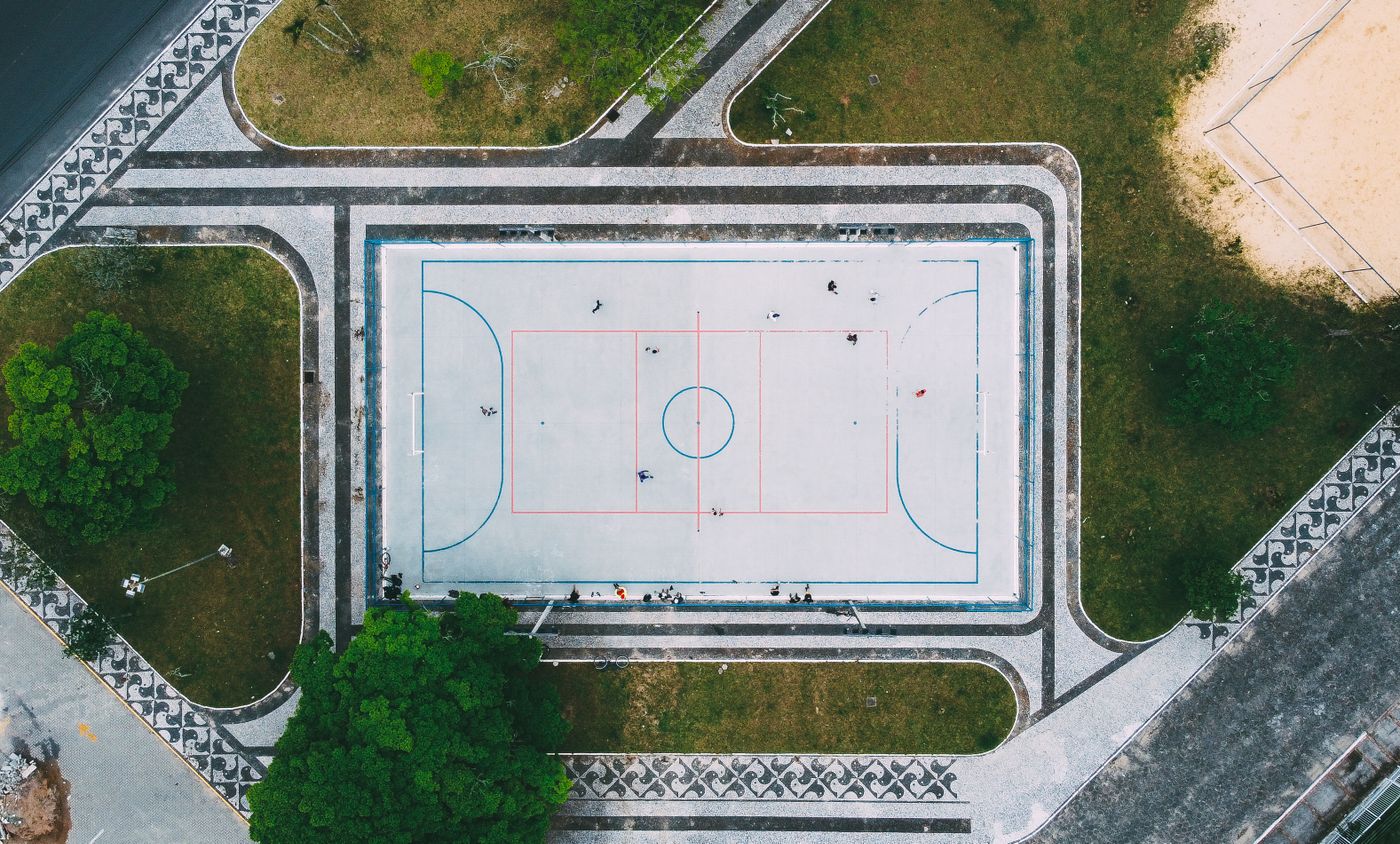
The guidelines say the field is the size of a standard netball court, 30.5 metres by 15.25 metres, with shooting areas marked. Where there are no markings, a marked rectangle can do. Goals should suit the space and the ability of the group, and be secured for safety where necessary.
England Hockey also says the festival pitch layout should only be used with the Quicksticks ball. A mini or standard ball travels too far and too fast, and could enter neighbouring pitches and cause injuries.
How long is a game?
It’s three periods, so that all players rotate through the two official roles. The guidance is:
- 7 to 8 year olds: three 7-minute periods with two-minute changeovers, about 25 minutes in total
- 9 to 11 year olds: three periods of 8 to 10 minutes with two-minute changeovers, about 28 to 34 minutes in total
Both teams can agree different period lengths.
Results and penalty runs
The team that scores the most goals wins, and equal scores are a draw. If a winner is needed, each team takes three penalty runs, alternately. One attacker starts with the ball from the centre spot against one defender who starts outside the shooting area. The run ends on a goal, when the ball leaves the playing area, or after 10 seconds.
Most junior games won’t need one. A draw is fine.
Kit
Players of the same team should wear the same coloured tops or bibs. Even though the ball is safer, England Hockey says the person in charge may recommend shin protectors and mouthguards, including in practice. Jewellery, baseball caps with stiff peaks and sharp objects are out. If glasses are essential, plastic frames are advised. Our guide to shin pads and mouthguards covers the rest.
What’s current
England Hockey lists Quicksticks as on hold, with its best parts built into the Junior Hockey Framework. Ask the club what format your child will actually play.
Sources
- https://www.englandhockey.co.uk/play/junior-club-hockey/quicksticks
- https://hockeyhub.englandhockey.co.uk/downloads/modules/4/07.11.22_EH_Quicksticks_Guidelines_v2.pdf
- https://www.englandhockey.co.uk/faqs/faqs-junior-hockey/faqs-quicksticks/faqs-what-formats-of-hockey-can-juniors-play-in-clubs
- https://www.englandhockey.co.uk/deliver/junior-hockey-framework-clubs