Junior cricket kit list: what your child actually needs
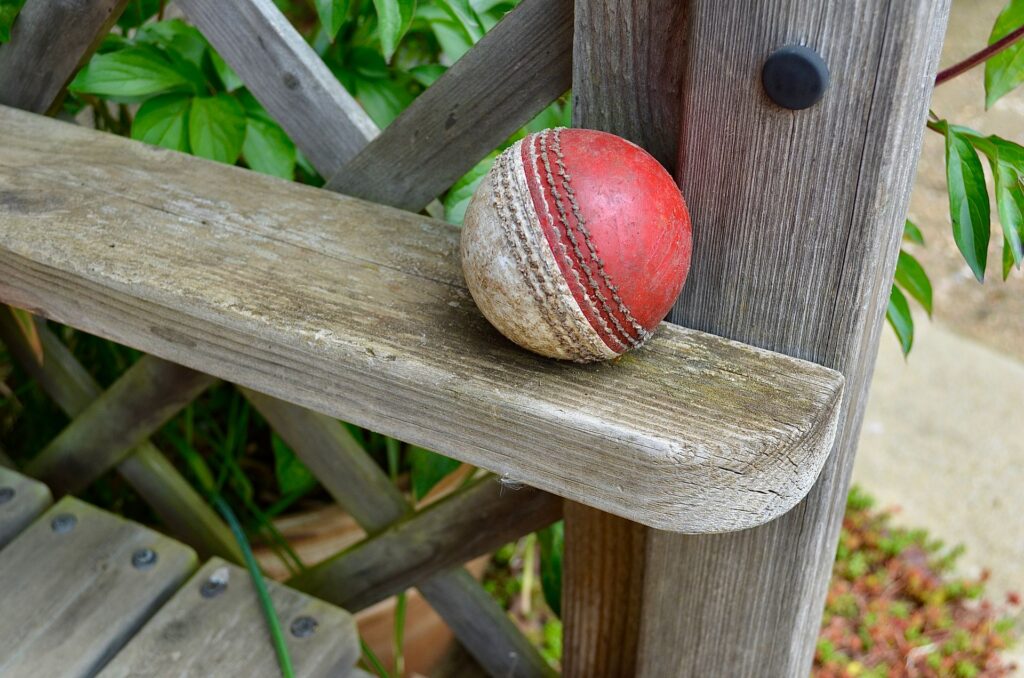
Cricket kit for a child is simpler than the shop shelves suggest. Until hard-ball cricket starts, your child needs almost nothing of their own. Once it starts, usually at under-11 level, the required list is short: a helmet, batting pads, batting gloves, an abdominal guard for boys, and a bat that fits. Everything else can wait, be borrowed, or come from the club.
- Soft-ball cricket (All Stars, Dynamos and most under-8 to under-10 formats) needs no protective equipment at all.
- Hard-ball cricket, usually from under-11s, requires a helmet, pads, gloves and, for boys, a box.
- A helmet must meet the BS 7928:2013 standard and be tested against the ball your child plays with.
- Bats are sized by height, not age, and clubs often lend them, so leave the bat until last.
Soft-ball cricket: almost nothing to buy
The ECB’s entry programmes, All Stars (ages 5 to 8) and Dynamos (ages 8 to 11), use soft balls, and clubs running pairs formats at under-8 to under-10 level do the same. Preston Nomads CC’s parent FAQ is typical: up to under-10, games use a soft ball that does not require protective equipment. At this stage your child needs comfortable sports clothes, trainers, a cap, sun cream and a water bottle. Clubs have shared bats and soft balls, so there is no need to buy a bat before the first session.
Hard-ball cricket: the required kit
Hard-ball cricket usually begins at under-11s, and from that point the protective items stop being optional. Under the safety regulations for recreational cricket in England and Wales, every player under 18 must wear a helmet with a faceguard when batting against a hard ball, in matches and in practice, and boys must wear an abdominal guard whenever a helmet is required. Fore Sports’ first-season kit list, updated in October 2026, puts the same items at the top: helmet, pads, gloves, box, and a bat that fits.
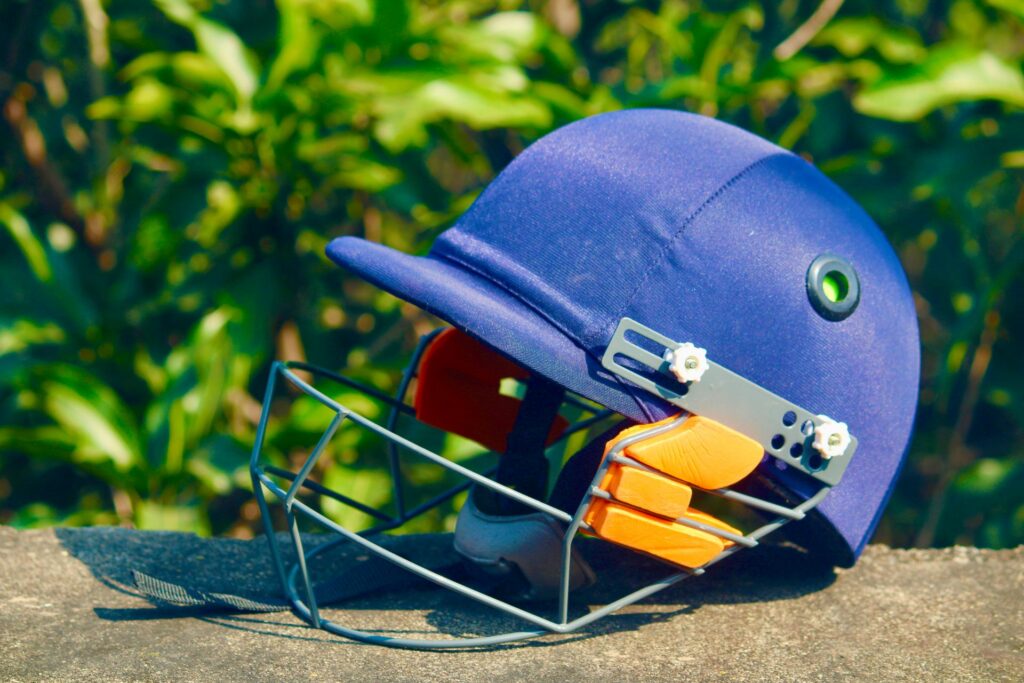
For the helmet, check three things. It should carry the BS 7928:2013 certification mark. It should be tested against the ball your child uses, junior, senior or both. And it should fit: level on the head, a finger’s width above the eyebrows, and still when your child shakes their head. Replace a helmet after any hard blow to the shell or grille, even without visible damage. Our guide to junior cricket helmet rules covers the requirements in detail, and neck protectors in junior cricket explains the newer advice on clips that protect the upper neck.
The bat: buy last, size by height
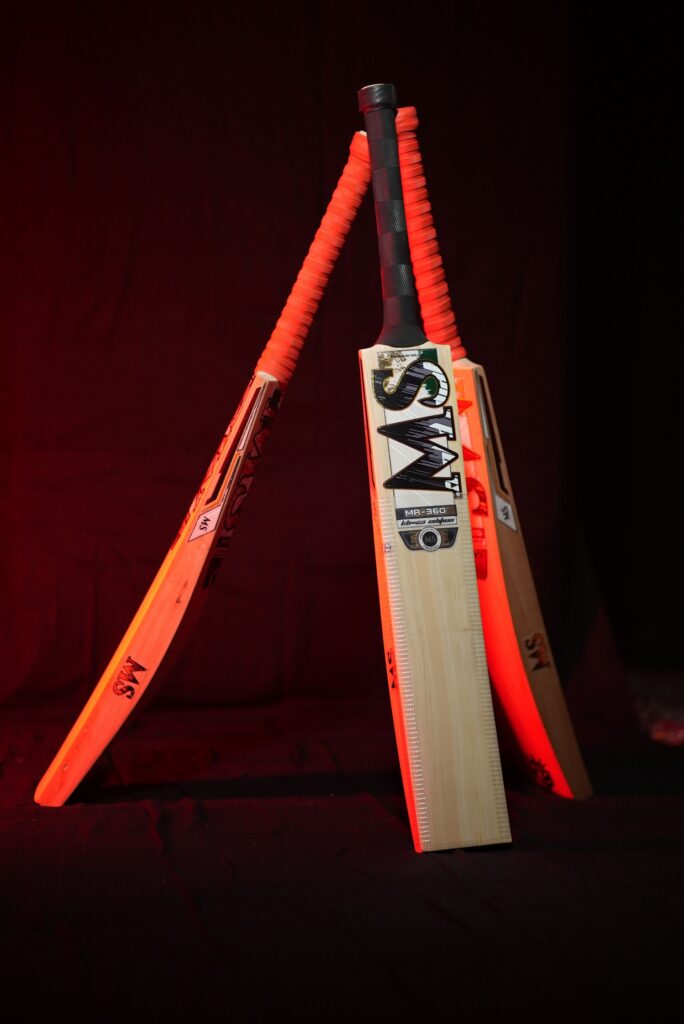
A bat is the most expensive item and the easiest to get wrong. Bats are sized by height, from size 0 up through harrow to short handle, and the right size matters more than the brand or the willow. Clubs often lend bats, so many families wait until a child is settled in hard-ball cricket before buying. When you do buy, follow our junior cricket bat size guide, and see the junior range at Gray-Nicolls for a sense of current prices.
What to buy first
The helmet and box come first because they are personal-fit items the rules require. Pads and gloves follow. Fore Sports puts typical UK prices at roughly £35 to £70 for a helmet, £5 to £15 for a box, from about £32 for gloves and £40 for pads. Shoes, whites, thigh pads, kit bags and arm guards can all wait, and club second-hand stalls suit growing children. Check the club’s colours before buying whites.
Common questions
Does my child need their own bat for a first session? No. Clubs and the ECB’s entry programmes provide shared equipment, and soft-ball age groups need no protective kit. Wait until your child plays hard-ball cricket and you know their size.
When does hard-ball cricket start? Usually at under-11s. Age groups are set by the child’s age on 1 September of the previous year, so check with your club which group applies this season.
Is second-hand kit safe? Pads, gloves and bats are fine second-hand if they fit and are undamaged. Be careful with helmets: only take one with a visible BS 7928:2013 mark and no history of hard impacts.
More guides sit in our cricket section, including what to expect at All Stars and Dynamos Cricket for ages 8 to 11.
Sources
- ECB: junior cricket, All Stars and Dynamos
- Preston Nomads CC: junior cricket FAQ
- Fore Sports: junior cricket kit list, first hard-ball season (October 2026)
Affiliate link: if you buy through it, Touchline Parents may earn a commission at no extra cost to you. It does not change our advice. See our affiliate disclosure.