Indoor climbing for children: bouldering, ropes and auto-belays explained
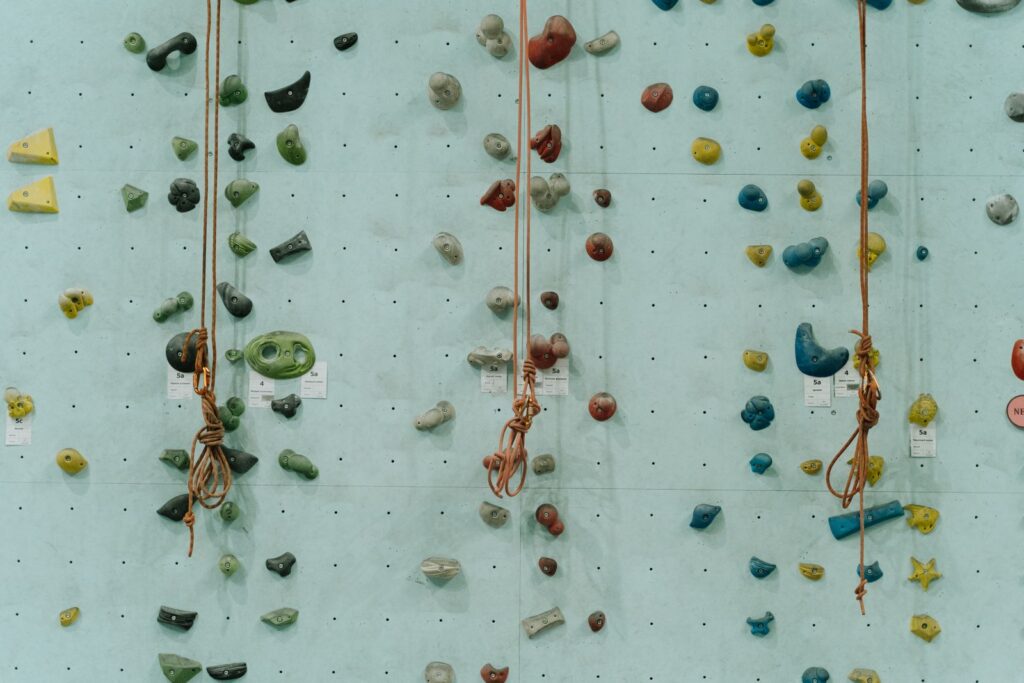
Indoor climbing is one of the most beginner-friendly sports a child can try: walls hire out the kit, instructors run taster sessions, and structured award schemes take them from first climb upwards. There are three main formats to know about: bouldering, roped climbing and auto-belays. Here is what each involves, and what age children can start.
In short:
- Indoor climbing comes in three formats: bouldering (low walls above thick mats, no ropes), roped climbing (taller walls, harness and a belayer holding the rope) and auto-belays (clip-in devices that lower the climber automatically).
- Children can start young. The NICAS Wild Climbers programme runs from age 3, and the NICAS Climbing and NICAS Bouldering schemes run from age 5. Individual walls set their own minimum ages.
- You do not need to buy kit. Most walls hire climbing shoes, and harnesses are provided or hired for roped sessions.
- If you do not climb yourself, book an instructor-led session. Parents registered as competent climbers may be able to supervise their own child, subject to the wall’s terms.
- Check your local wall’s website for its minimum age, supervision policy and session times before you visit.
The three types of indoor climbing
Bouldering is climbing on low walls above thick padded mats, with no ropes or harness. Routes (called “problems”) are short, and the focus is on movement and problem-solving. The NICAS Bouldering scheme runs five levels, from New Boulderer, which covers basic balance, movement and how to boulder safely, through to Performance Boulderer, which includes competition experience.
Roped climbing uses taller walls. The climber wears a harness tied into a rope, and a partner on the ground (the belayer) manages the rope to catch a fall. The NICAS Climbing scheme is the structured pathway here: five levels from New Climber to Advanced Climber, covering technique, safety awareness and, at the higher levels, lead climbing.
Auto-belays are mechanical devices fixed at the top of a lane. The climber clips in, and the device takes in the slack as they climb and lowers them gently when they let go. Because no belayer is needed, auto-belays are popular for children’s sessions: the BMC’s guide to indoor climbing with kids describes supervised “clip and climb” auto-belay sessions for small groups as a fun first step.
What age can children start climbing?
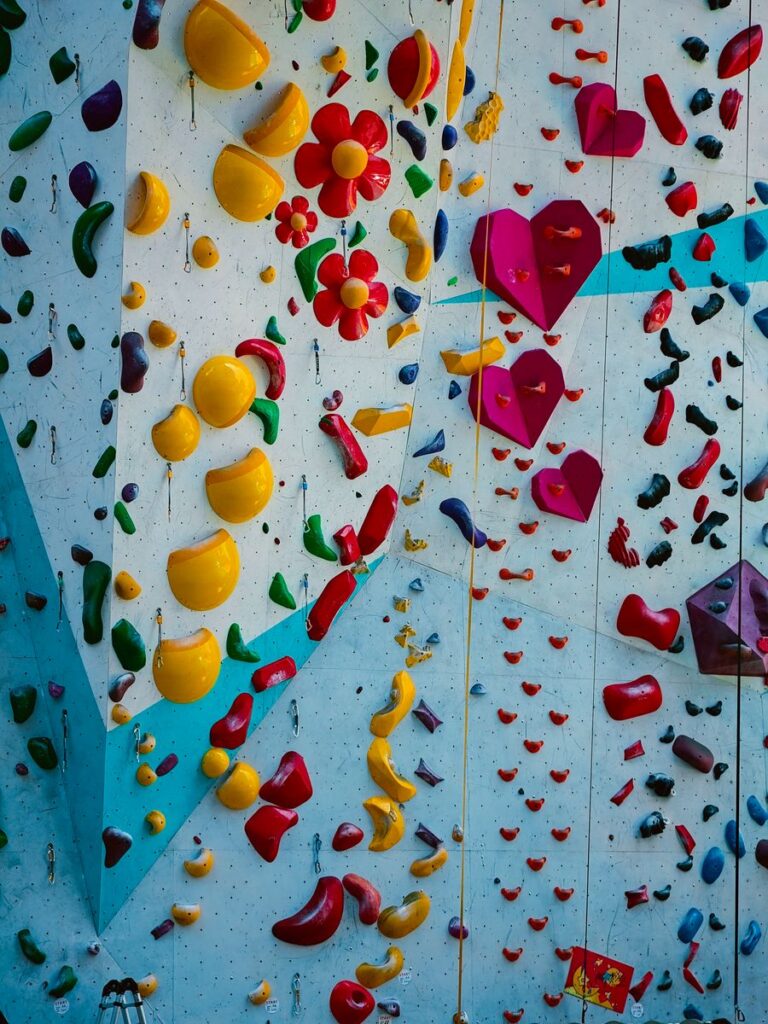
Younger than many parents expect. NICAS Wild Climbers is a game-filled programme for children from age 3, built around six animal characters that each represent a skill area, and it meets the key learning areas of the Early Years Foundation Stage. The main NICAS Climbing and NICAS Bouldering schemes are for ages 5 and up.
Each wall sets its own lower age limits, and may restrict which areas children can enter. The BMC advises checking your wall’s website before you turn up, and notes that parents who want to supervise their own child will usually need a short induction to be signed off as a competent supervisor.
A first visit: sessions, supervision and kit
If you have never climbed, or would rather watch, book an instructor-led session. Walls run tasters and weekly junior sessions led by qualified instructors, which the BMC describes as the best way to make a first experience positive and age-appropriate. Competent climbers can often supervise their own children, depending on whether they are registered at the wall as a roped climber, a boulderer or both.
Kit is simple. Children need comfortable clothes they can move in. Most walls hire shoes, and provide or hire harnesses for roped climbing; some require helmets in certain areas and supply them.
Keeping it fun and safe
The BMC recommends starting children on routes well within their ability, letting them “rainbow” (use any colour hold) so they enjoy the movement without pressure, and building in games rather than chasing grades. It also stresses regular safety habits: partner checks, not walking underneath other climbers, and double-checking auto-belay clips.
Common questions
Does my child need their own climbing shoes?
No. Most walls hire shoes for children, and some allow well-fitting trainers. The BMC notes children usually feel more confident in proper climbing shoes because of the grip.
Do I have to climb too?
No. Instructor-led sessions mean a non-climbing parent need not get on the wall. Check the wall’s supervision policy, as you will usually need to stay on site.
How do children progress?
Through the NICAS schemes. According to the BMC, around 270 centres run them, and they have introduced more than 200,000 young people to climbing.
New to the sport? Browse our climbing guides for parents. For younger children starting out, see our guide to preschool gymnastics, and our safeguarding questions to ask any club.