How to practise table tennis at home (with or without a table)
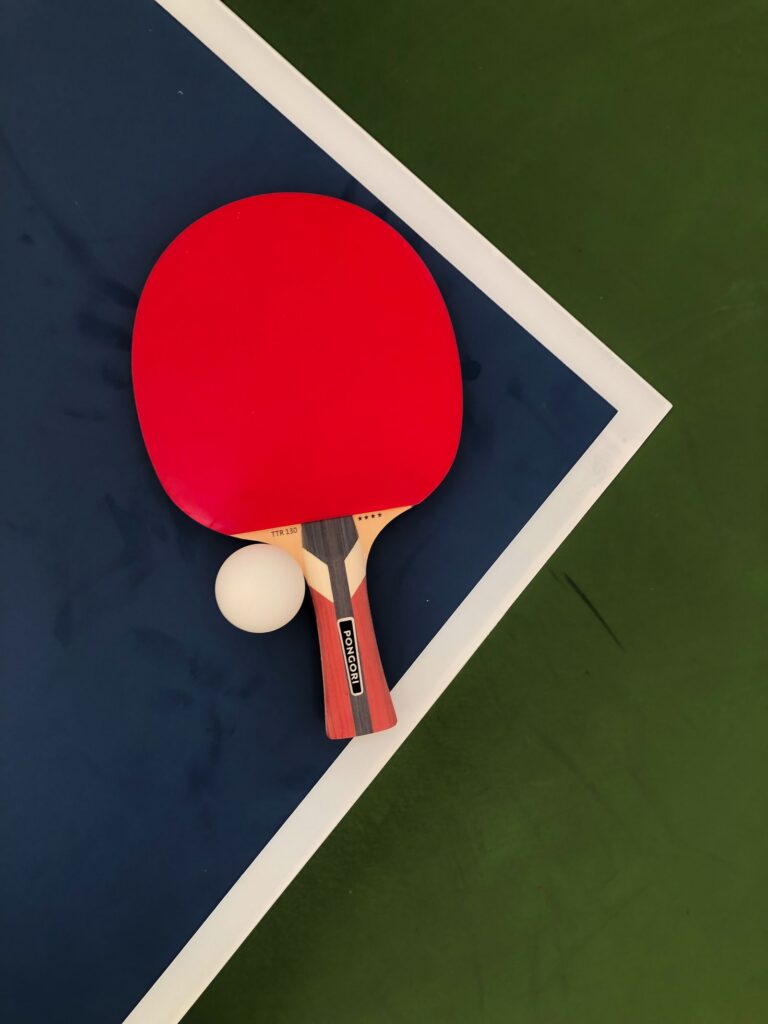
- A bat and a ball are enough for genuine skill practice at home; a table is a bonus, not a requirement.
- Bounce drills, wall rallies and target games build the touch and coordination clubs refine.
- Short, frequent practice beats long occasional sessions for children.
- A cheap pack of practice balls is the only purchase worth making early.
The children who improve fastest at table tennis are the ones who play between sessions, and most of that play needs nothing more than a bat and a ball. Here is how to make home practice work.
No table needed: bat and ball drills
The classic starter drill is simple ball control: bounce the ball on the bat repeatedly, counting how many your child can manage. Once fifty is easy, add variations: alternate forehand and backhand sides, bounce the ball on the floor between hits, or try keeping the ball low versus high. These drills build the soft hands and coordination that coaches spend early club sessions developing, which is why children who do them arrive at clubs ahead of the curve.
Wall rallies and target games
A clear wall becomes a practice partner. Your child hits the ball against the wall and returns the rebound, starting from close range and stepping back as control improves. Chalk a target on the wall or place a box to aim at, and turn it into a points game. It is noisier than club table tennis, but the rally skills are real: watching the ball, moving the feet and timing the hit all transfer directly to the table.
If you do have a table
A full-size table is lovely but takes a room; many families use a rollaway in the garage or a tabletop conversion on the dining table instead. Whatever the setup, the best home habit is cooperative rallying: count how many shots you can keep going together rather than playing to win. Parents make perfect practice partners for this, and ten minutes of rallying beats an hour of competition for building a beginner’s confidence.
Keeping it fun and brief
Little and often wins. Five or ten minutes most days builds skills faster than a long weekend session, and stopping while it is still fun keeps children asking for more. Our kit guide covers the one worthwhile purchase, a cheap pack of practice balls, and the benefits guide explains why this kind of play pays off so quickly. When your child is ready for coached sessions, the club finder guide shows the way in.
Common questions
Which bat should we use at home? Any ready-made starter bat from a sports shop; the kit guide covers the £20-30 sweet spot.
Will home practice teach bad habits? Cooperative rallying and bounce drills are low-risk. Save technique worries for the club coach, and keep home play fun.
Where can I read more? The sources below are Table Tennis England’s own pages. More guides sit in the table tennis section.