Gymnastics disciplines explained: artistic, rhythmic, trampoline and more
- Gymnastics is really eight disciplines; most UK children start in general or artistic gymnastics.
- Men’s artistic uses six apparatus, women’s artistic four; rhythmic uses ball, hoop, ribbon and clubs.
- Trampoline, acrobatic, aerobic and parkour are separate disciplines with their own competitions.
- TeamGym is the team version: squads of 6-12 gymnasts on floor, trampette and tumbling track.
When a club says it teaches gymnastics, it could mean any of eight disciplines. The International Gymnastics Federation recognises eight in total, and UK clubs offer different mixes of them. Here is what each one actually is, and how to work out which your child is doing.
Artistic gymnastics: the one you know
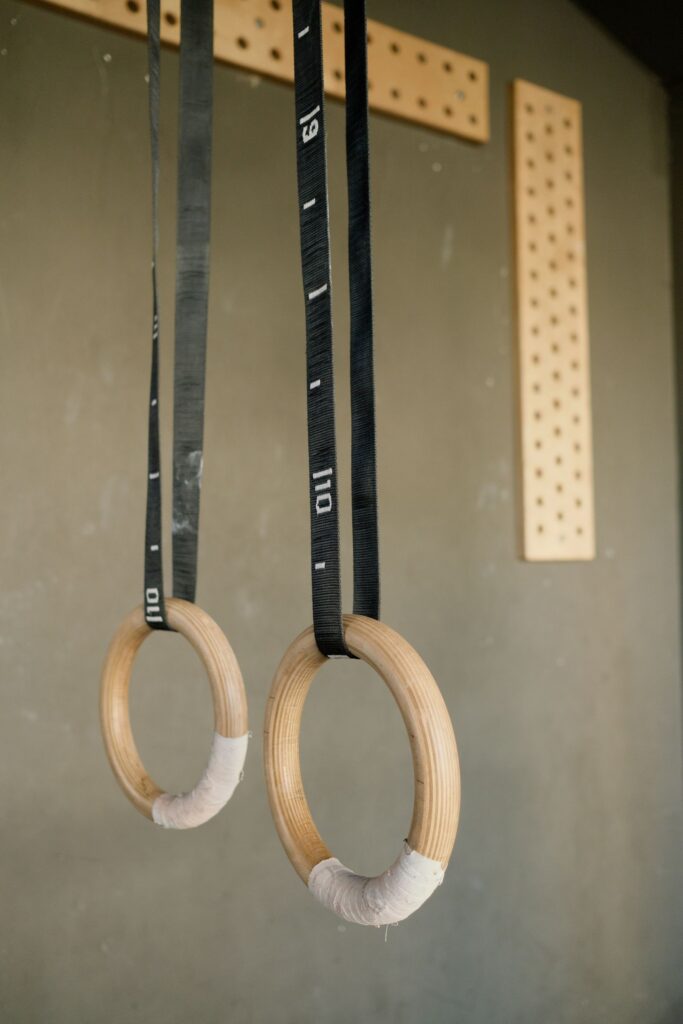
Artistic is the classic version: apparatus work and floor routines. Men’s artistic is competed on six apparatus (floor, pommel horse, rings, vault, parallel bars and horizontal bar) and women’s artistic on four (vault, uneven bars, beam and floor). Most children who join a local club start here, learning the basics on every piece through programmes like British Gymnastics’ Rise.
Rhythmic gymnastics
Rhythmic combines dance and apparatus handling: routines performed with ball, hoop, ribbon and clubs, all to music. It is a performance discipline with its own clubs and competitions, and British Gymnastics runs national championships for it: the 2026 Acrobatic, Aerobic and Rhythmic British Championships take place at Telford International Centre in July 2026.
Trampoline gymnastics
Trampoline is aerial acrobatics: routines of somersaults and twists performed on a competition trampoline. Clubs often run trampoline sessions alongside artistic classes, and many children find it the most immediately fun of the disciplines because the basics feel achievable early.
Acrobatic and aerobic gymnastics
Acrobatic is gymnastics with partners: pairs and groups performing balances, holds and throws, so teamwork matters as much as individual skill. Aerobic gymnastics is the high-intensity outlier: fast, dynamic routines performed to music, closer to a fitness routine than an apparatus performance. Both share that Telford championship with rhythmic, so all three have full national pathways.
Parkour
Yes, parkour is a gymnastics discipline: the international federation recognises it, and it involves overcoming obstacles with jumps and climbs. A growing number of UK gymnastics clubs run parkour or freestyle sessions, which often suit children who find traditional apparatus work too structured.
TeamGym: the team version
British Gymnastics describes TeamGym as a team competition for men and women performed on three pieces of apparatus: floor, trampette and tumbling track. Teams of 6-12 gymnasts perform choreographed routines to music, competing in women’s, men’s and mixed categories. The format has its roots in Scandinavia and rewards teamwork and synchronisation as much as difficulty, which makes it popular with gymnasts who love performing but dislike competing alone.

Which will my child actually do?
Almost certainly general or artistic first. Clubs teach core skills across the main apparatus, and specialisation comes later, if at all. Our starting age guide covers how children progress, and the club finder guide explains how to check which disciplines a venue offers before you join a waiting list.
Common questions
What is the difference between artistic and rhythmic? Artistic gymnasts perform on fixed apparatus like bars, beam and rings; rhythmic gymnasts perform floor routines handling ball, hoop, ribbon or clubs. They are separate sports with separate clubs and competitions.
Is trampolining really gymnastics? Yes: trampoline is one of the eight disciplines recognised by the international federation, with its own British and international competitions.
Can my child try more than one? Many clubs offer several disciplines, and general gymnastics sessions sample them all. Ask what your local club runs.
Where can I read more? The sources below include the international federation’s discipline list and British Gymnastics’ own pages. More guides sit in the gymnastics section.