Your child’s first basketball session: what to expect
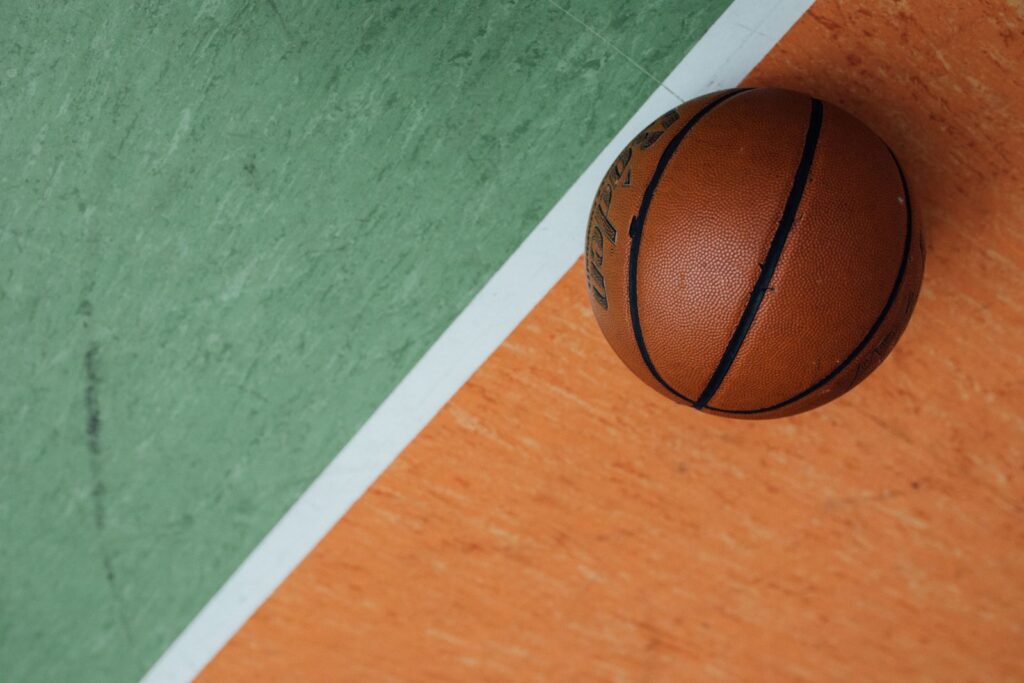
- Entry programmes like Slam Jam are games-based from the first session.
- Trainers and sports clothes are all a first-timer needs; balls are provided.
- Mistakes are explicitly encouraged as part of learning.
- Sessions build fundamental movement skills before formal technique.
A first basketball session looks more like organised play than a lesson, and that is deliberate. Here is what happens and how to arrive ready.
What to wear and bring
Trainers with decent grip, a t-shirt and shorts or joggers, and a named water bottle: that is the whole kit list. Clubs and programmes provide the balls. Long hair tied back, jewellery off, and arrive ten minutes early so the coach can register your child and introduce themselves.
What the session looks like
Take Basketball England’s Slam Jam programme as the model: sessions are packed with games and activities based around developing fundamental movement skills, in a fun, safe and engaging atmosphere. Expect a warm-up game, activities built around running, jumping, catching and throwing, and then basketball itself: dribbling games, shooting at lowered or standard hoops, and small-sided play. The Slam Jam Play stage uses small-sided games with a game-sense approach, so children learn the sport by playing it, scaled to their numbers and size.
The tone to expect
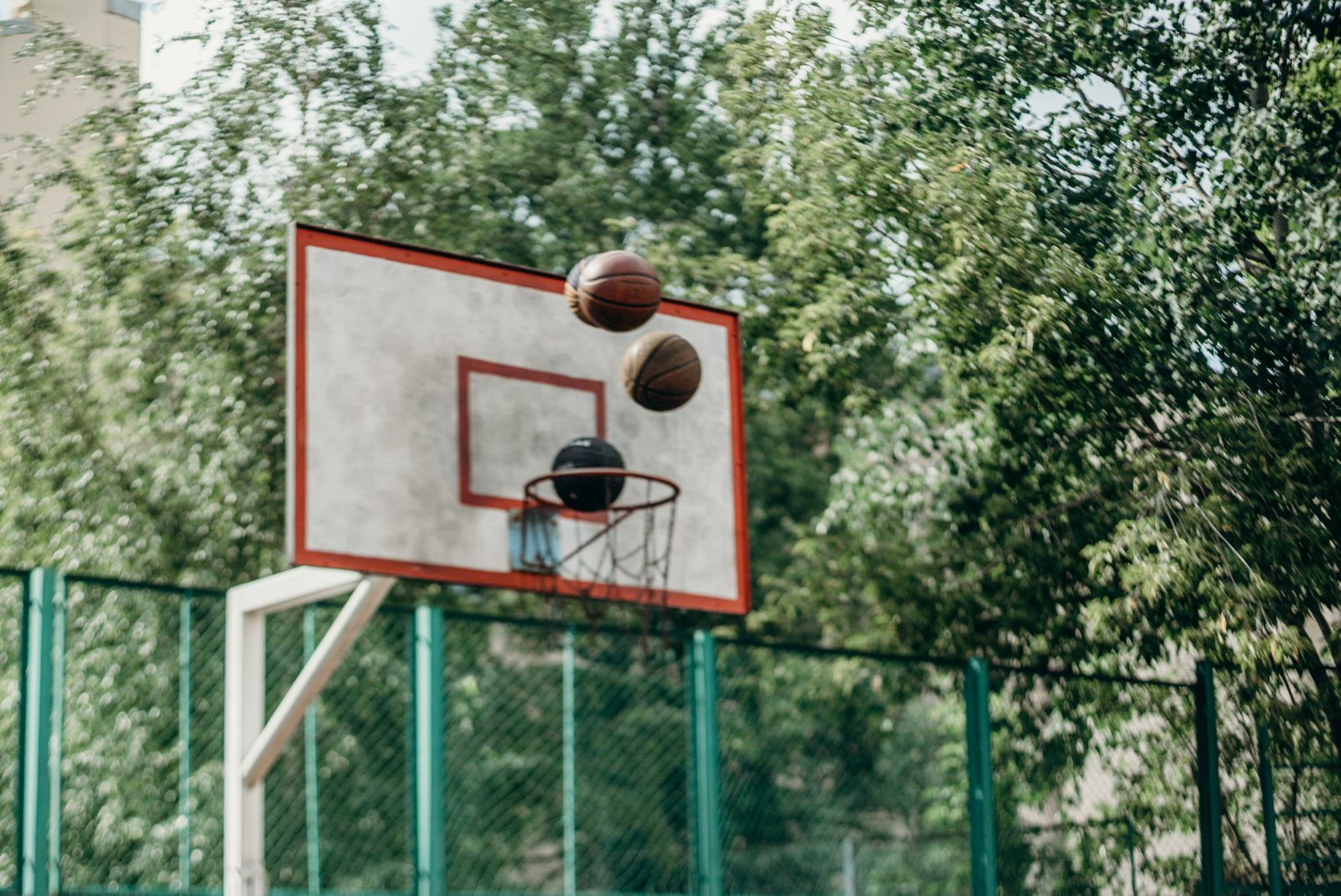
Good early-years basketball is noisy and forgiving. Slam Jam’s published principles include that mistakes are a part of learning and are to be encouraged, not criticised. If your child comes home having dropped more catches than they held and loved it anyway, the session did its job.
Afterwards
Ask the coach how the club groups players and what the next step is: another taster, weekly sessions, or a junior section. If basketball sticks, our starting age guide maps the pathway from age 5 upwards, and the kit guide covers what little there is to buy.
The first few weeks
Progress in the first month is about comfort, not skill. Children learn where to stand, how to listen in a group, how to hold and move with the ball, and what the coach’s signals mean. Expect wobbly dribbles and airballs; they are the curriculum working. By week three or four most children settle into the rhythm, know the warm-up by heart and start calling for the ball, which is when basketball gets really fun for them.
Common questions
Will my child be thrown into a match? No. First sessions are games and activities; small-sided play comes once the basics settle.
Do we need a basketball at home? Not to start. If they get hooked, any size 5 or 6 ball suits a primary-age child for garden practice.
Where can I read more? The sources below are Basketball England’s own pages. More guides sit in the basketball section.