FG, AG and turf boots: buy for the pitch.
- Match the sole to the surface your child actually plays on, not the one on the shop label.
- Check the venue’s own footwear policy before you buy. A label is not permission.
- “Artificial” is not one surface. 3G, short-pile and hard astro can each want a different sole.
- Count your child’s pitches. If one sole can’t cover them all, ask about a second pair or a club boot swap first.
Buy football boots by matching the manufacturer’s stated surface to the venue’s footwear rules. FG usually means firm natural grass, and AG means the artificial surfaces the maker names. Neither a label nor a moulded sole guarantees you’ll be waved through at every pitch, so check the exact pair before you pay.
What the letters on the box mean
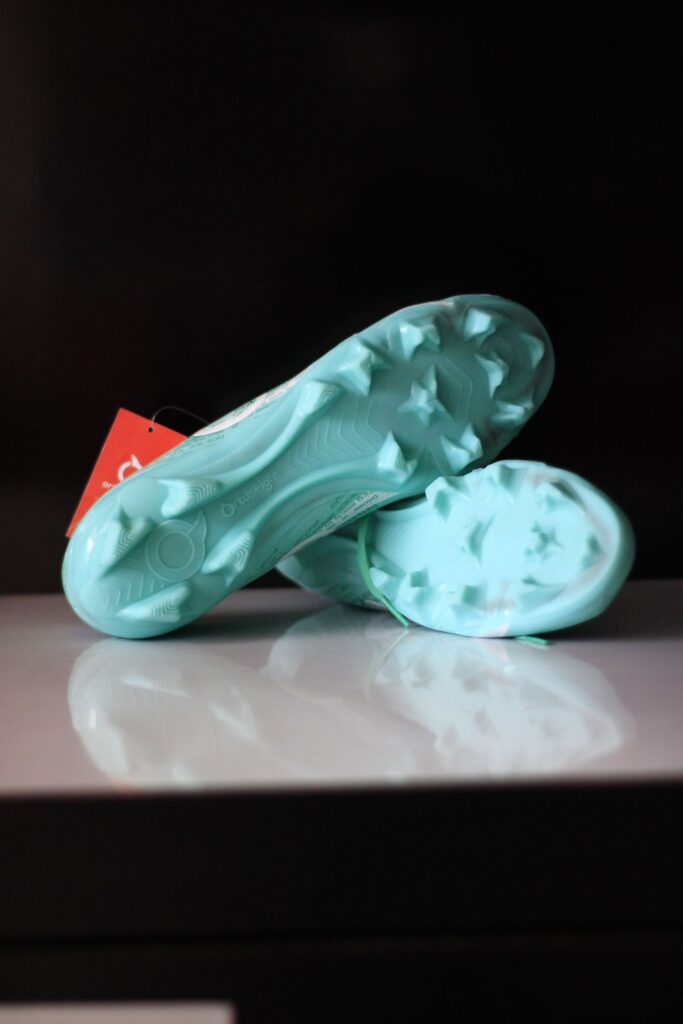
Manufacturers use surface codes, but the names and permitted uses vary from model to model, so read the exact product description. As a general guide, FG (firm ground) is the default for natural grass that’s dry to damp. FG boots tend to have a mix of stud shapes and sizes and suit short, well-kept grass. SG (soft ground) is for wet, muddy pitches, usually with longer, often screw-in studs and a design that tries to stop mud clogging the sole.
AG (artificial grass) boots have shorter, more numerous moulded studs that spread pressure on a firmer surface, and they’re meant for the artificial surfaces the manufacturer names. MG (multi-ground) is meant for more than one surface, as the maker describes it, so check which ones. TF (turf) is a trainer-style sole with lots of small rubber studs for hard artificial surfaces, and IC is a flat sole for courts and sports halls.
These codes help you read the shelf. They don’t give permission to use every boot at every pitch.
“Artificial” is not one surface
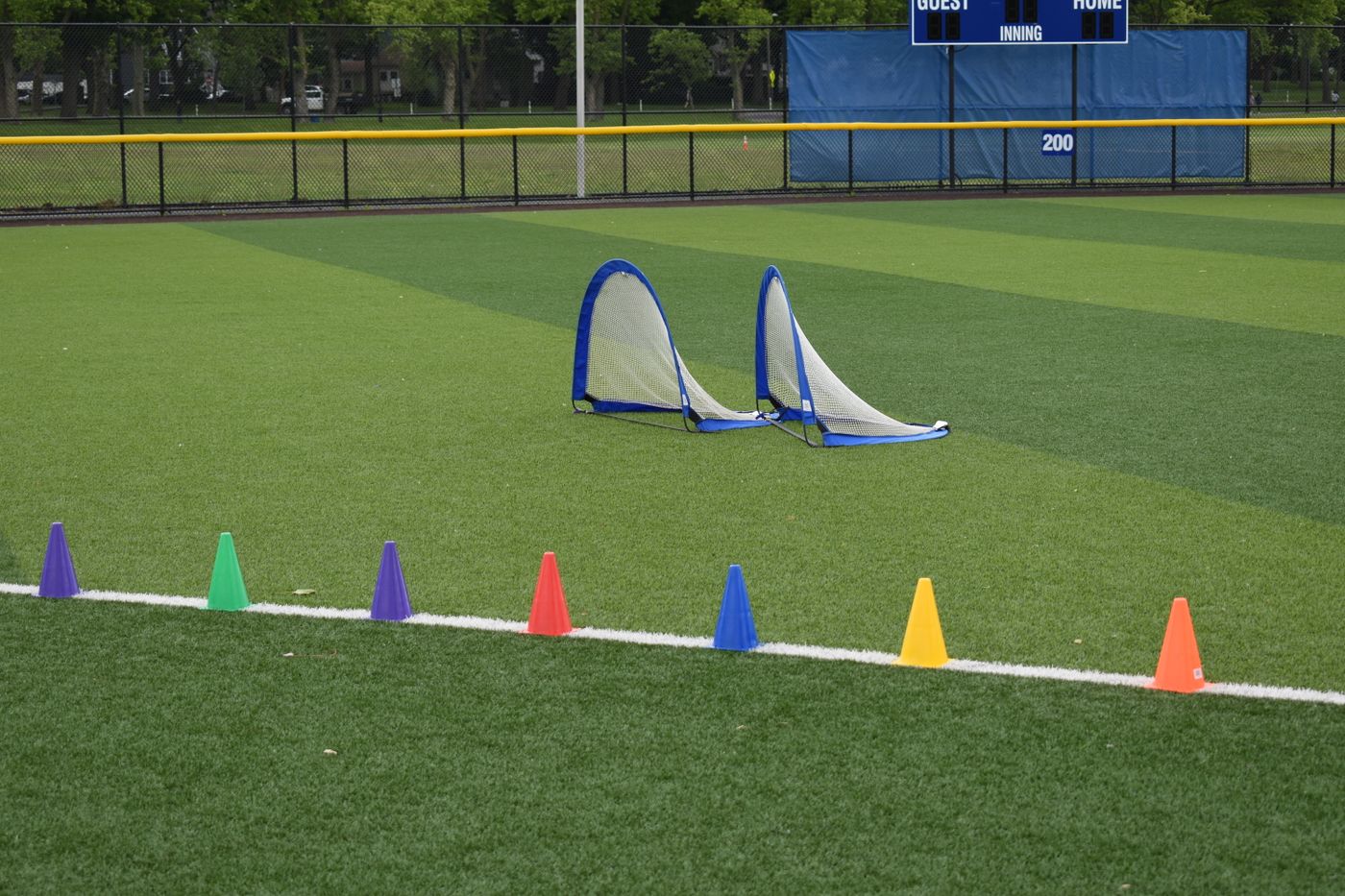
Shoppers lump long-pile 3G, short-pile and hard sand-filled astro together, and that makes buying harder than it should be. A soft rubber-crumb 3G pitch and an old sand-based astro are very different to play on, and their footwear rules can differ too.
The FA’s 3G guidance tells players to check their own site’s requirements. It says plastic screw-in and moulded studs are normally acceptable on 3G, while some footwear and blade designs are not recommended. Individual venues can set stricter rules still. So ask the coach or the venue for its current policy, and check the actual sole in your hands rather than a shop category called “artificial grass”.
How to decide
Start by writing down where your child plays: the training venue, the home pitch, the away pitches and any tournaments coming up. Ask the coach what the surface is at each one, and whether any venue bans certain sole types. Then check the label on the exact boots you’re considering, because a brand’s main range and a cheaper line can differ.
Before you wear them outside, check the return policy. Many shops won’t take back boots that have touched grass or astro. And try them on with football socks, leaving about a thumb’s width at the toe.
One pair or two?
If one manufacturer-approved, venue-approved sole covers everything your child does, you may not need a second pair. A child who trains on 3G in winter and plays on grass at weekends might be fine in FG/AG boots, as long as the exact model says it covers both and the venues agree.
If one pair can’t cover the lot, a single pair that’s wrong for half the sessions isn’t a saving. A cheap second pair, or a swap through the club, can be better value than one expensive pair that’s right half the time.

Cost and fit
Prices swing wildly. In October 2026 Argos listed Decathlon’s kids’ football boots at £25, while premium models from the big brands cost far more. Children outgrow boots in a season or less, so a basic pair that fits well often beats a pricey pair that’s already tight. Check the fit before the badge. Our guide to junior boots covers sizing.
Where parents slip up
The usual mistakes are buying for the wrong surface because the boot looked good or was on offer, treating “artificial grass” as a single thing, and picking up metal studs or blades for a youth player without checking league rules. Close behind are wearing the boots outside before checking returns, and skipping the venue check and finding out at the gate.
Before you pay
Run four checks: the boot suits every pitch your child uses, the venue and league allow it, it fits with football socks, and you know the return conditions. Don’t assume every moulded stud, turf trainer, metal stud or blade gets a yes. Two checks now saves you a second purchase and a conversation at the gate.
Keep reading
- Junior football boots: fit beats future growth
- Grassroots football on a budget
- How to clean football boots
- All football guides
Sources
- https://www.nike.com/gb/football/shoe-guide
- https://www.adidas.co.uk/kids-football-shoes
- https://www.thefa.com/-/media/cfa/durhamfa/files/facility-and-football-pitch-development/3g-pitch-info/3g-football-turf-guidance-for-players.ashx?la=en
- https://433fc.com/fg-vs-ag-vs-sg-vs-tf-football-boots/
- https://www.twentytwomag.com/articles/guide-sg-fg-ag-tf-football-boots-explained
- https://www.argos.co.uk/product/8512693