Benefits of golf for children
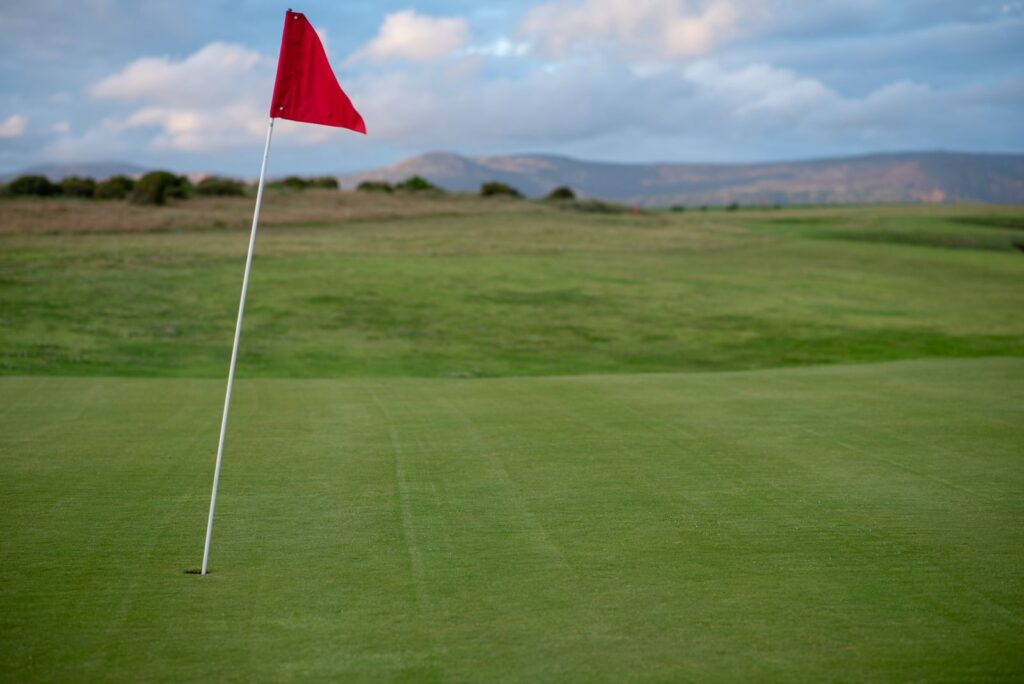
- Golf builds patience, self-control and honesty: players keep their own score and call penalties on themselves.
- It is walking, coordination and hours outdoors, without the collisions of contact sports.
- Juniors can start young, play at any level, and keep playing for life.
- Programmes like Get into Golf and Girls Golf Rocks make starting cheap and social.
Golf rarely tops the list when parents think about children’s sport, and that is a shame, because of what it quietly develops in children. Here is what the game actually gives children.
Character, built in
Golf is self-refereed: players keep their own score and call penalties on themselves, even when nobody could have seen. Children who play absorb honesty, patience and emotional control as habits, because the game simply does not work without them. A bad shot cannot be blamed on a teammate or a referee, and the next shot always offers a fresh start. Parents of junior golfers often notice that composure carrying off the course.
Real exercise, quietly
A round of golf is hours of walking in fresh air, plus a coordinated full-body movement repeated and refined. There are no collisions, no headers and minimal impact on growing joints, which makes golf a useful complement or alternative for children who do not thrive in contact sports. Range sessions and short courses give the same benefits in smaller doses.
A sport that fits the individual
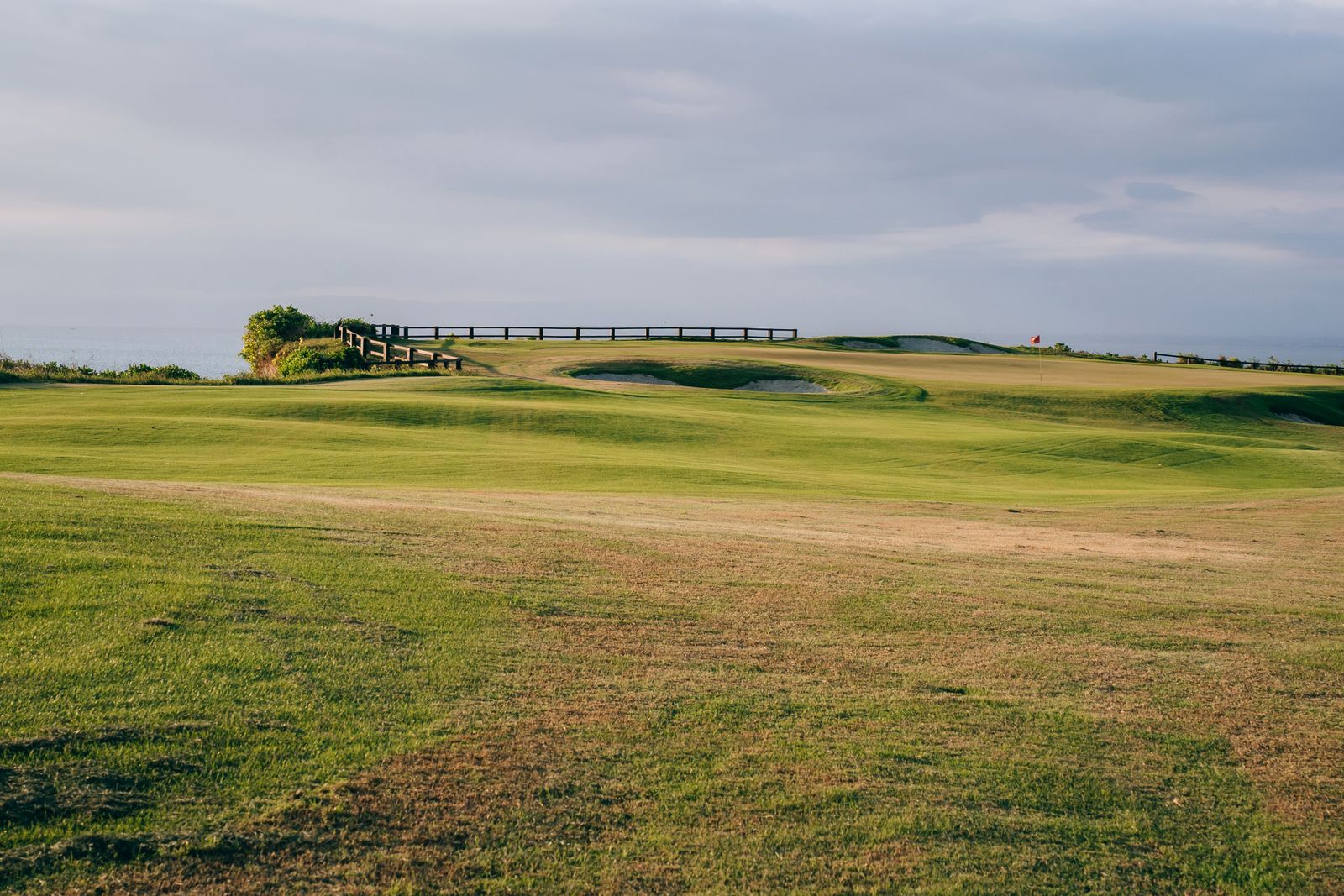
Golf is individual but sociable: your child competes against the course and their own handicap, while spending hours chatting with playing partners. That combination suits children who find team sport pressure overwhelming, and the handicap system means a beginner can enjoy a fair game with a far better player. England Golf’s view that it is never too soon to start reflects how scalable the game is, from plastic clubs in the garden upward, as our starting age guide explains.
A pathway and a lifetime
For children who catch the bug, the structure is there: beginner programmes through Get into Golf and Girls Golf Rocks (which has introduced over 5,000 girls aged 7-14 to the game with the Golf Foundation), club junior sections, official handicaps through iGolf or membership, and junior competitions beyond. And golf never expires: the junior learning at eight can still be playing at eighty, often with you.
Common questions
Is golf expensive to start? No: beginner sessions provide equipment and cost little, and junior membership is far cheaper than adult. Our costs guide has real figures.
Will my sporty child find it too slow? Many do the opposite: the one-more-shot challenge hooks competitive children fast.
Where can I read more? The sources below are England Golf’s own pages. More guides sit in the golf section.