Badminton practice at home: simple games for children
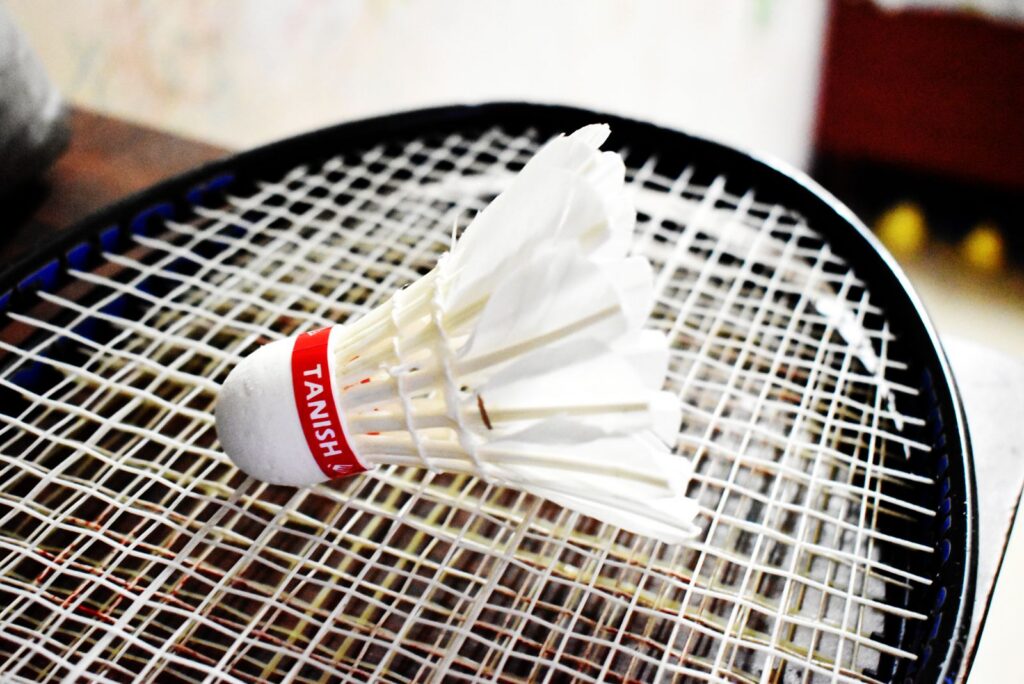
For badminton practice at home, start with a simple target throw, a few tap-ups or a shuttle scoop rather than a full match. Badminton England’s junior resources include activities that do not need a full court or even a racket. Adapt the task to your space and your child, and leave technical changes to their coach.
- Choose a clear space with room around the player.
- Make one task achievable before adding difficulty.
- Use bigger targets or a softer object when needed.
- Finish while your child still wants another go.
Set up for a game, not a test
Our suggestion is to pick one activity together rather than running through a long training list. Clear away breakable objects and keep other people and pets outside the racket’s reach. If you cannot provide enough room for a swing, choose a no-racket throwing task instead. These are informal home adaptations, not a substitute for a supervised club session.
Badminton England’s Shuttle Stars Festival Resources use games to introduce skills and include ways to make activities easier or harder. The full resource is designed for organised groups; you do not need to recreate its festival layout at home. For equipment questions, see our junior badminton kit guide.
Try an underarm target throw
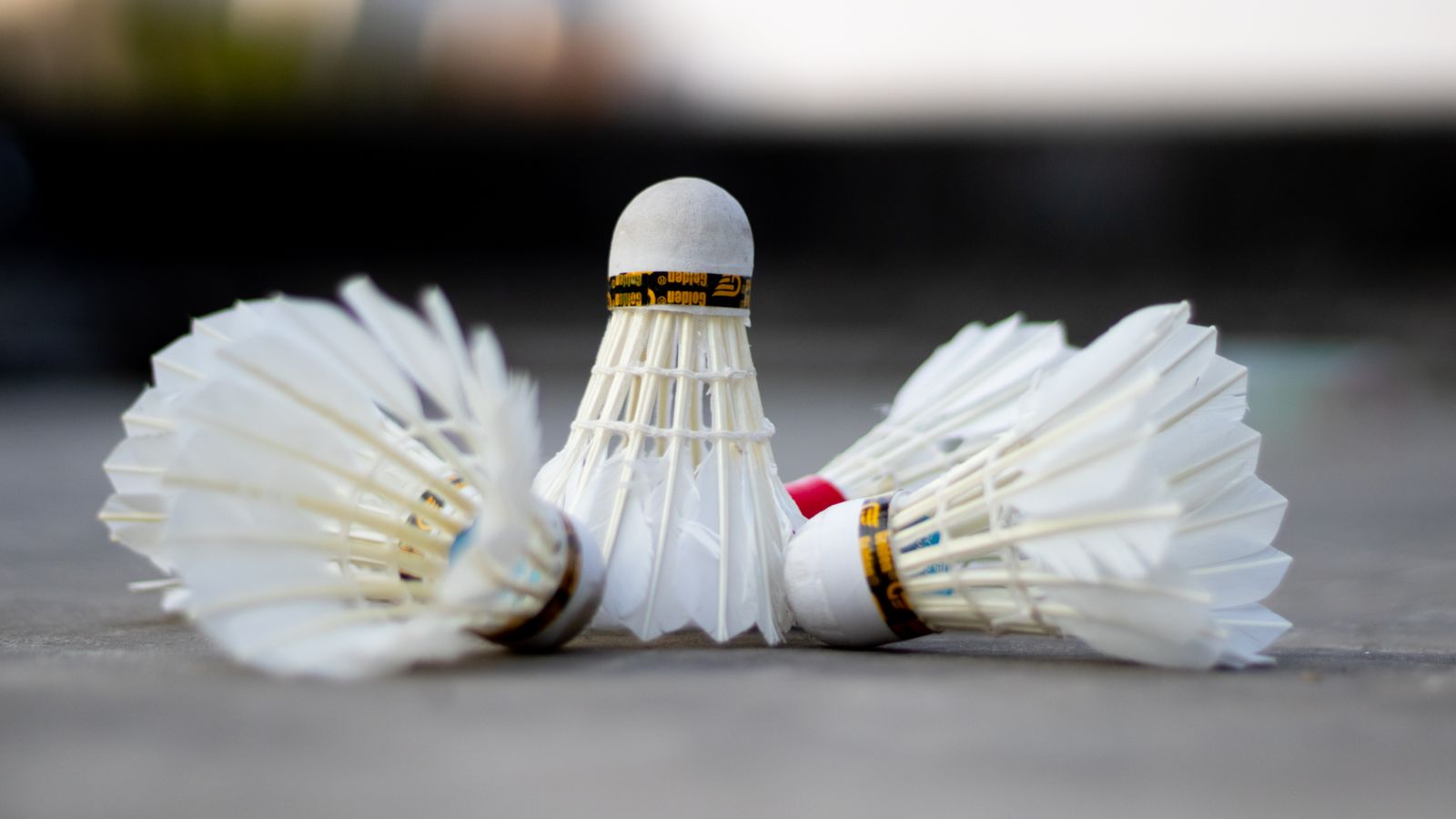
The festival resource’s Target Time activity asks players to throw shuttles underarm into targets. It offers larger targets and throwing from a seated position as adaptations. At home, our version is to place a broad target on the floor, choose a comfortable distance and take turns aiming into it. Move the target closer if the first attempts are frustrating.
You can count successful throws if your child enjoys that, but do not make scoring compulsory. Try asking them where they want the next target to go. Collect the shuttles between turns, rather than having someone walk through another player’s throwing space.
Build up to tap-ups
Badminton England’s Tap Ups station starts with a fluff ball, then progresses through another training ball to a shuttle. It also suggests a balloon and the palm of a hand as an easier version. That gives you permission to simplify the task instead of insisting on a difficult racket-and-shuttle combination from the start.
Use the grip your child’s coach has shown them. Begin with a single controlled tap and a catch if continuous taps are too difficult. That last step is our home adaptation, not a prescribed programme target. Only increase the challenge when your child wants to; the number achieved is not a selection test or a measure of future ability.
Have a go at the shuttle scoop
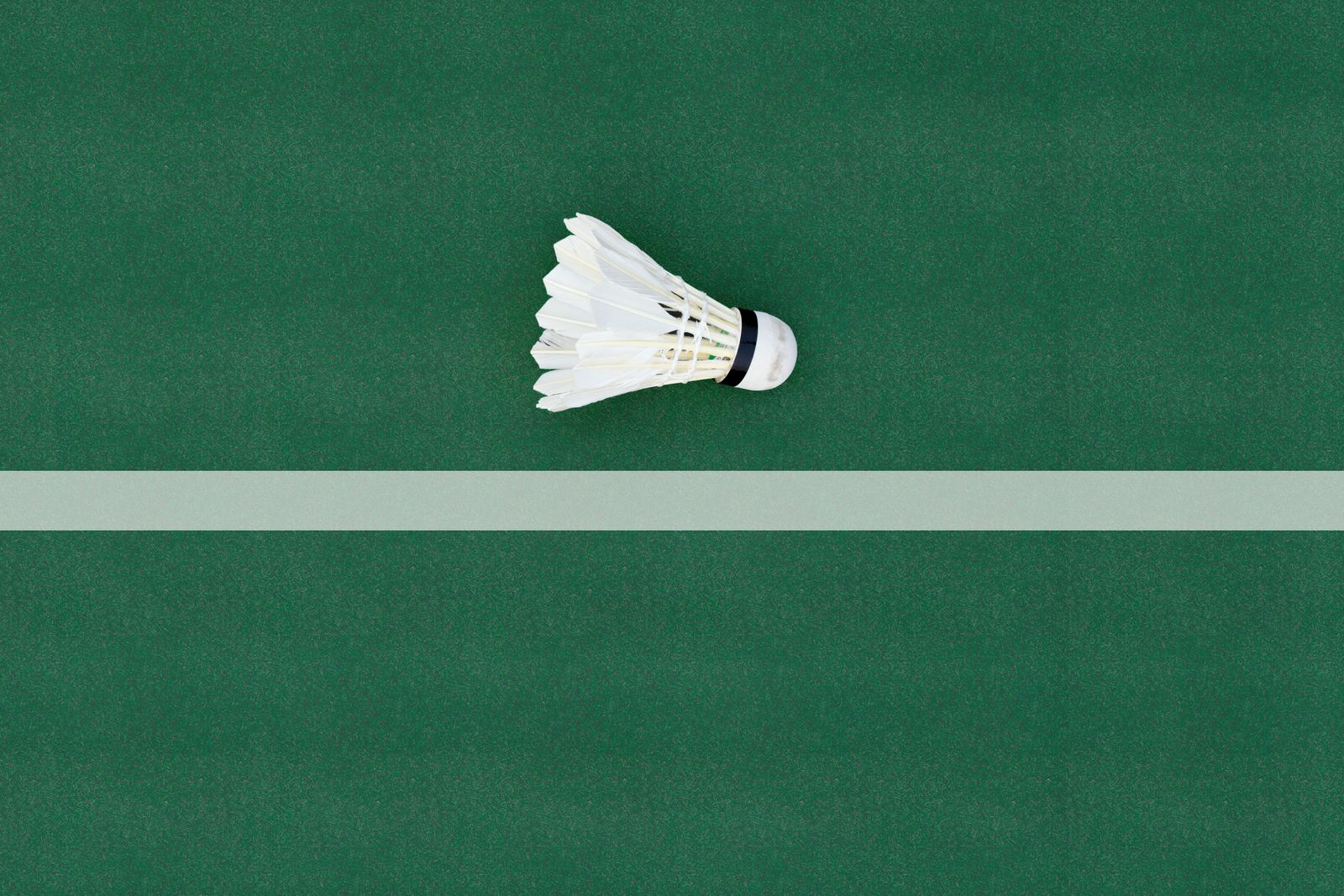
Badminton England’s Shuttle Scoop Top Tips Card describes picking a shuttle up from the floor with the racket. It says to approach from the side, relax the grip and use the fingers to scoop it onto the strings. Standing the shuttle upright with its cork pointing upwards is the easier version; laying it flat makes it harder.
Treat it as an optional puzzle. If it becomes annoying, change games. For coaching rather than home play, Badminton England’s Try Badminton session finder includes a Shuttle Stars filter. Check each provider’s age range and arrangements. Our badminton section covers clubs and first sessions.
Common questions
Do we need a net?
Not for the target throw, tap-ups or shuttle scoop described here.
What if my child cannot keep a rally going?
Choose a single-player task or a throwing game. A rally need not be the starting point.
Should we practise every day?
There is no daily schedule prescribed here. Ask the coach if your child wants structured practice, and keep informal play optional.
Sources checked 13 November 2026: Badminton England, Shuttle Stars Festival Resources; Shuttle Scoop Top Tips Card; Try Badminton session finder. Home adaptations are identified above.