Under 9 rugby: how the tackle is introduced

- Under 9 is where the tackle is first introduced, with no rucks, mauls, lineouts or scrums.
- Games are up to seven a side on a pitch of no more than 60 by 30 metres, with halves of up to 15 minutes.
- A tackler must hold the ball carrier below the base of the sternum, and must use their arms.
- Once “Tackle” is called, the ball carrier must pass within three seconds.
- Contact is optional. T1 Rugby is a non-contact alternative.
At under 9, in school year 4, children can be introduced to the tackle. The RFU’s under 9 rules of play bring in the tackle only, with no rucks, mauls, lineouts or scrums. It’s a big step for some children and no step at all for others, so ask your club how it eases players in.
The format
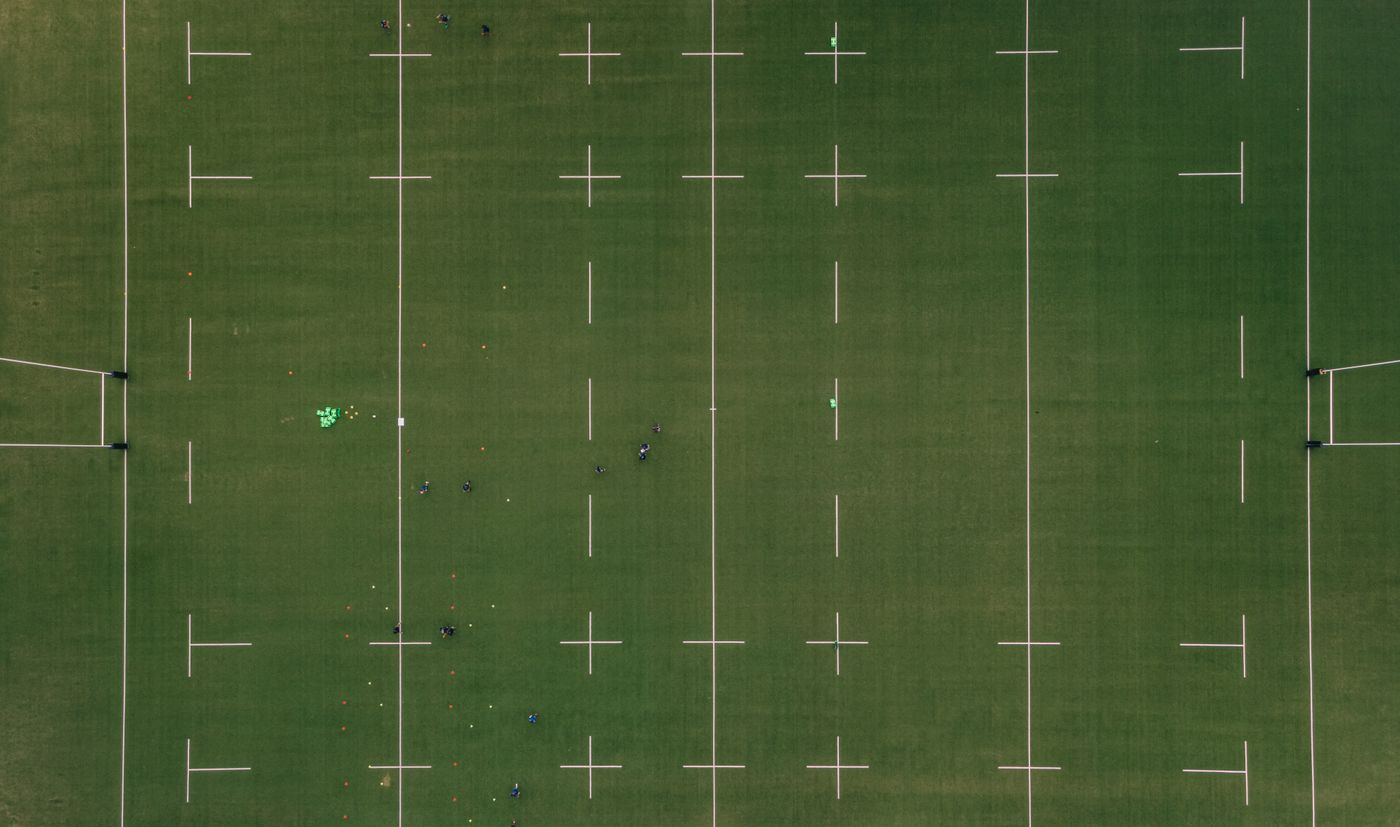
The RFU’s key elements for under 9s are a maximum of seven players a side, a pitch of up to 60 metres by 30 metres, and halves of up to 15 minutes. Coaches stay off the pitch during play, and the referee guides the game.

How the tackle works
A tackle happens when the ball carrier is held by one or more opponents and brought to ground. The tackle must include the use of arms. When the carrier stays on their feet, the referee calls “Tackle”, and when they go to ground the referee also calls “Tackle-Release”.
The rules are specific on safety. The tackler must grip and hold the ball carrier below the base of the sternum, which the RFU describes as the tummy and below. Contact at or above the base of the sternum is an infringement. The ball carrier can run and dodge, but can’t fend off with their hands or the ball, and shouldn’t go into contact with their shoulders below their hips, or with their head in the opponent’s head space.
What happens after “Tackle”
Once the referee calls “Tackle”, the ball carrier must pass to a teammate within three seconds, either standing or from the ground, and can’t score once the call is made. The tackler can keep hold to stop forward movement, but has to release once the pass is made and get back into the game. Neither side contests the ball in the tackle at this age.
Contact isn’t compulsory
The RFU says children can be introduced to contact at under 9 or continue to play non-contact. For those who don’t want contact, T1 Rugby is a mixed alternative at all ages. Talk to your child before the first contact session, and tell the coach if they’re nervous.
Where parents slip up
Pushing a nervous child into contact, or praising the big hit over good technique. A good tackle at this age is low, safe and followed by the release. Check our concussion guide so you know what to do after a knock.
Common questions
Is contact compulsory at under 9? No. The RFU says children can be introduced to contact or keep playing non-contact. T1 Rugby is the alternative.
Will there be scrums and rucks? Not at under 9. The RFU brings in the tackle only. The uncontested scrum, maul and ruck arrive at under 10, see formats compared.
Where must a tackle be made? Below the base of the sternum, with the arms.
What do I do after a knock? Read our concussion guide, and check the kit guide for a mouthguard.