Small-sided hockey: why juniors play on a third of a pitch
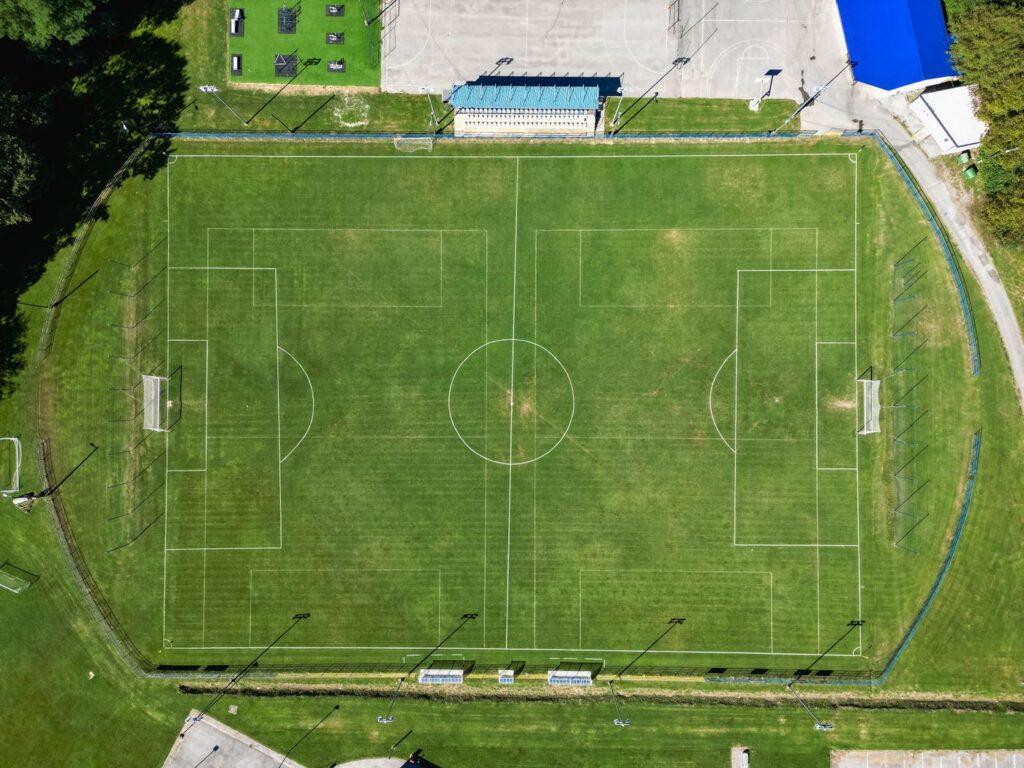
- Small-sided hockey is played on a one-third pitch, so it works on pitches that are split for football.
- It needs no set pitch lines, only throw-down strips to mark the scoring zones.
- It can be 5, 6 or 7-a-side, with or without goalkeepers.
- It uses 1 v 1 challenges instead of penalty corners.
- England Hockey says it was introduced to get more people playing on one pitch and to work in informal settings.
If your child’s hockey session looks nothing like what you see on TV, this is probably why. Small-sided hockey is England Hockey’s format for letting lots of people play at the same time on the same pitch.
The set-up
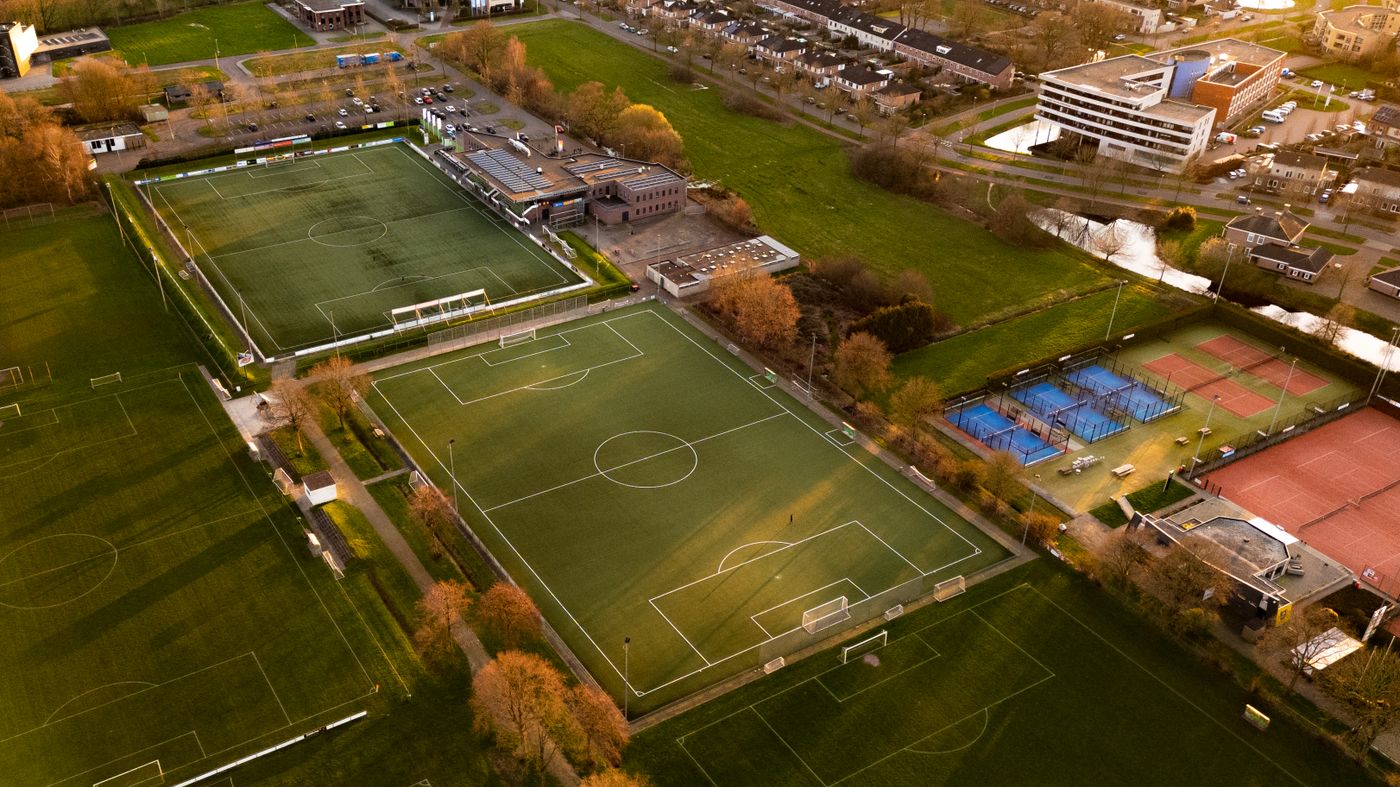
England Hockey says the game is played on a one-third pitch, so it works on any pitch that’s separated that way for football. There are no pre-set lines. Instead the club uses throw-down strips to mark out “scoring zones”.
England Hockey says the format was introduced to maximise the number of people who can play on a pitch. For parents it explains why a training session can look like several small matches.

Teams
It can be played with or without goalkeepers, and in 5, 6 or 7-a-side teams. That’s the same idea as the In2Hockey format for 10 to 14 year olds, which is 6-a-side without goalkeepers or 7-a-side with them. Our In2Hockey guide goes into that.
No penalty corners
England Hockey says the format introduces 1 v 1 challenges instead of penalty corners. This is a big change from the full game. A penalty corner is a set piece with a group of defenders, and it’s one reason England Hockey strongly recommends face masks when defending one. In small-sided games a 1 v 1 replaces it.
Why clubs like it
England Hockey’s FAQ says the preferred format for juniors in clubs is small-sided hockey. It’s easy to play, it gives lots of touches of the ball and it gives many opportunities to practise skills. It also works in informal situations, so it suits schools, festivals and clubs with limited facilities.
What to ask
- What format does my child’s team play?
- Is there a goalkeeper, and who provides the kit?
- How does it move on to the full 11-a-side game?
- Who should I talk to if my child wants more or less?
Common questions
Does my child get to play the real game? Yes, in time. England Hockey says In2Hockey is a gradual progression into the 11-a-side game.
Who can I contact for more? England Hockey’s FAQ gives its participation team for clubs. Most parents should ask their own club.
Sources
- https://www.englandhockey.co.uk/faqs/faqs-running-a-club/faqs-small-sided/faqs-what-is-meant-by-small-sided-hockey
- https://www.englandhockey.co.uk/faqs/faqs-junior-hockey/faqs-quicksticks/faqs-what-formats-of-hockey-can-juniors-play-in-clubs
- https://www.englandhockey.co.uk/play/junior-club-hockey/in2hockey
- https://www.englandhockey.co.uk/faqs/safe-hockey/safety-clothing-and-equipment/do-i-have-to-wear-a-mouthguard-and-shin-pads-to-play-hockey