Taekwondo for children: first classes, belts and how to start
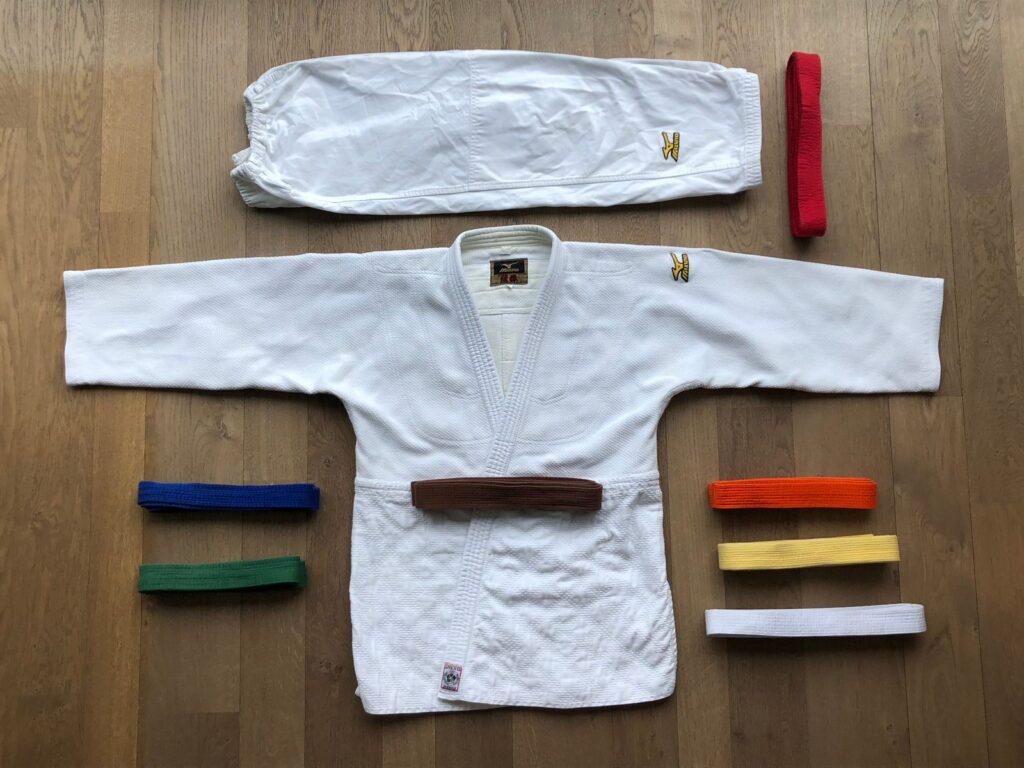
Taekwondo is a Korean martial art and Olympic sport that children can start at a local club with no kit or experience, and it suits families who like clear structure: coloured belts, regular gradings and a syllabus children work through at their own pace. Here is what the national governing body says about first classes, belts, membership and how to find a club.
In short:
- Taekwondo teaches kicking, punching, self-defence and poomsae (patterns); clubs are family friendly and open to all ages and abilities.
- Beginners start at white belt (10th Kup) and progress through coloured belts, with gradings roughly every three months in a typical club.
- Reaching black belt takes around three years on average, and under-15s are awarded a Poom rather than a Dan rank.
- British Taekwondo membership is currently £31 a year per person, on top of any club fees, and includes insurance cover.
- Use the British Taekwondo Club Finder to locate member clubs near you.
What children learn in taekwondo
According to British Taekwondo’s guide to the martial art, taekwondo is a traditional martial art from Korea, and students learn a full range of skills: kicking, punching, self-defence and poomsae, which are set patterns of movements. The governing body describes traditional clubs as family friendly, open to all ages and abilities, with a real community atmosphere, and says the art builds confidence and teaches respect for yourself and others alongside strong ethics and values.
Most clubs blend two sides of taekwondo. Some lean towards the sport, with competition training at the heart of their programme; others focus on the martial art, teaching traditional movements, self-defence and belt promotion modules. The British Taekwondo clubs page notes that the vast majority offer a balance of both, with different classes available, so it is worth asking what a club’s typical children’s class looks like before you join.
Belts and gradings: how progression works
Progression runs through coloured belt ranks called Kup grades. As the British Taekwondo gradings page explains, new students begin at 10th Kup (white belt) and advance towards 1st Kup, with grading opportunities usually coming round approximately every three months in a club setting. Gradings test basic technique, poomsae, self-defence and sparring skills, and some clubs add theory questions on rules and general taekwondo knowledge.
Black belt typically takes around three years of training from beginner level. A student aged 14 or younger who reaches that standard is awarded 1st Poom rather than 1st Dan, then moves into the Dan system as they get older. British Taekwondo members receive a graduation award certificate plus a Kukkiwon certificate from the World Taekwondo Headquarters in Korea, which recognises their rank at taekwondo clubs around the world.
Membership, cost and safety checks
Everyone training at a British Taekwondo club, from beginners upwards, needs individual membership of the governing body. The membership page lists the annual fee as currently £31 per person, lasting 12 calendar months and non-refundable, and notes that clubs may charge their own fees on top, so ask about total costs before committing. Membership brings insurance cover for training and competitions, entry to British Taekwondo events, courses and gradings, and the assurance that member clubs are checked and accredited, with instructors and assistant coaches who are qualified, registered, insured and DBS checked.
To find a class, use the Club Finder on the British Taekwondo website, which lists member clubs across the UK, the Isle of Man and Gibraltar, and contact the instructor about beginner sessions for your child’s age.
Common questions
What age can children start taekwondo?
British Taekwondo describes clubs as open to all ages and abilities, but each club sets its own class structure, so ask your local club what it offers for your child’s age group.
Does my child need kit for a first class?
No special equipment is needed to try a class. Clubs typically lend or advise on the dobok (training suit) and protective equipment once your child decides to continue; ask the instructor what to wear for a taster session.
Is taekwondo safe for children?
Training at a British Taekwondo member club means an accredited club with qualified, insured and DBS-checked instructors, and membership includes insurance cover for training and competitions. Gradings introduce sparring progressively as part of the syllabus.
Want more like this? Browse our taekwondo guides for parents, or see our guides to what age children can start judo and the benefits of judo for children.