School sports day: a parent’s guide to helping your child enjoy it

School sports day is one of the few school events where you watch your child compete in front of their friends, teachers and other parents. For some children it is a highlight of the year; for others it is a source of real worry. The best thing you can do as a parent is keep the focus on effort and enjoyment rather than winning, know roughly what format the day will take, and sort the practical details the night before.
Key takeaways
- Many primary schools now run inclusive sports day formats where every child takes part in running, jumping and throwing activities, whatever their ability.
- England Athletics offers schools a dedicated Sports Day resource through its funetics programme for 4 to 11 year olds.
- Praise effort and personal improvement, not just medals. Not every child can win a race, but every child can achieve a personal best.
- Check the school’s letter for kit, footwear and sun protection, and arrive knowing where parents are expected to stand.
What actually happens on sports day
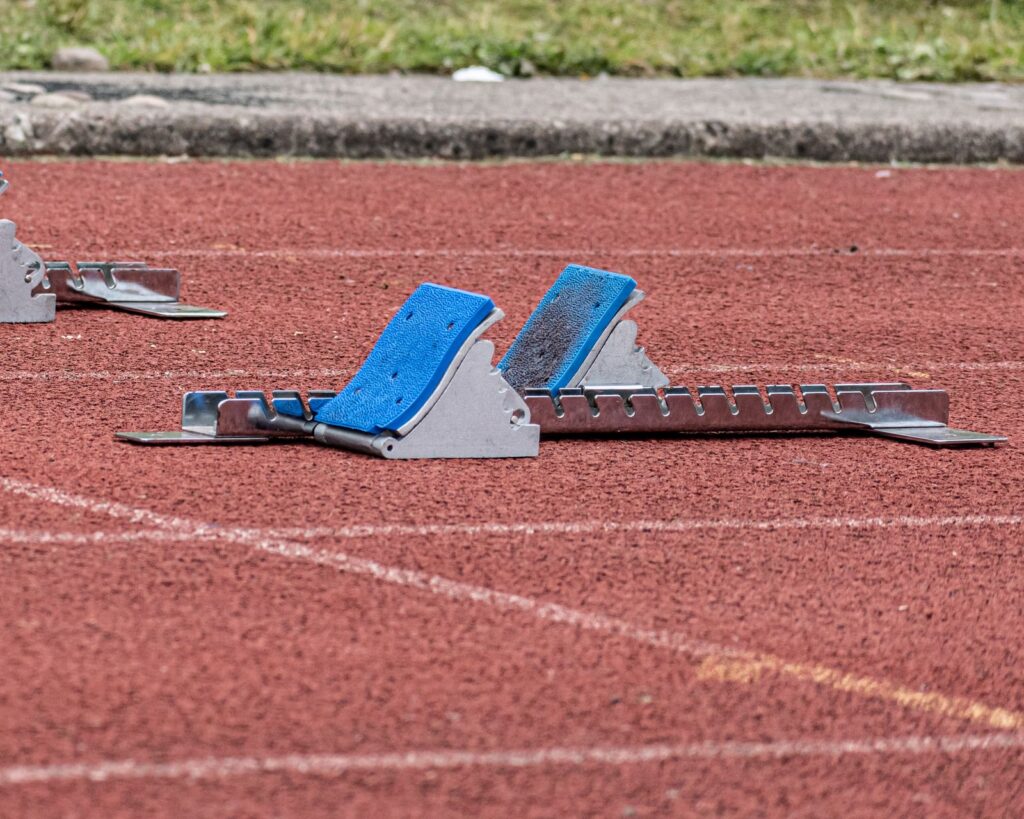
Formats vary, but most primary school sports days mix short sprints, novelty races and simple field activities such as throwing and jumping. Some schools run traditional individual races; others use a carousel where small groups rotate around activity stations and earn points for a team or house. England Athletics, through its funetics schools programme, describes inclusive activities designed so that every member of the class is involved, regardless of ability or disability. With a carousel, your child takes part in lots of short activities rather than one make-or-break race in front of everyone.
The programmes behind a modern sports day
If your child’s school mentions funetics, that is England Athletics’ athletics programme for 4 to 11 year olds, built around the fundamental skills of running, jumping and throwing. England Athletics has developed a Sports Day resource specifically for primary schools, and its guiding principles include making sessions safe, encouraging and child-centred, with children recognised for effort as well as achievement.
Older children may meet short-form competition formats. England Athletics runs a summer Kids Multi Challenge: a triathlon of one running, one jumping and one throwing event, or a quadrathlon adding an endurance run. Through the winter, many schools use Sportshall Athletics indoors, which also runs a national virtual School Games Pentathlon for Years 3 and 4, Years 5 and 6, and Years 7 and 8. The British Athletics Awards cater for children of all abilities from age 7 upwards.
The wider school sport calendar includes the Youth Sport Trust’s National School Sports Week, which returns on 5 to 11 July 2027 and brings schools and communities together to celebrate PE, sport and play.

Helping your child enjoy the day
Start with the practical basics the night before: the right PE kit, trainers that fit, a filled water bottle, and sun cream or a hat if the forecast is warm. Our guide to the athletics kit your child actually needs covers footwear and clothing in more detail.
Then think about nerves. If your child is anxious, avoid building the day up as either a big test or a guaranteed triumph. Ask which activities they are looking forward to, remind them that everyone is taking part, and agree something small to look forward to afterwards. On the day itself, cheer effort for every child, not just your own, and avoid coaching from the sidelines. England Athletics makes a point worth borrowing: while not everyone can win a competition, every child can achieve a personal best.
If your child enjoys the running, jumping and throwing and wants more, our guides to children’s athletics competitions and the athletics section explain age groups, events and costs.
Common questions
What if my child comes last? It happens to someone in every race. Keep your reaction warm and brief, praise something specific about their effort, and move on. Most children remember how you reacted far longer than where they finished.
Can parents take photos? Policies differ between schools because of safeguarding rules. Check the school’s letter or ask the office before the day rather than assuming.
What should we bring as spectators? Expect to stand or sit on a field for a couple of hours: water, sun protection, and something to sit on if the school allows it. Follow the school’s instructions on where parents watch from.