Watching your child’s fencing: a beginner parent’s guide
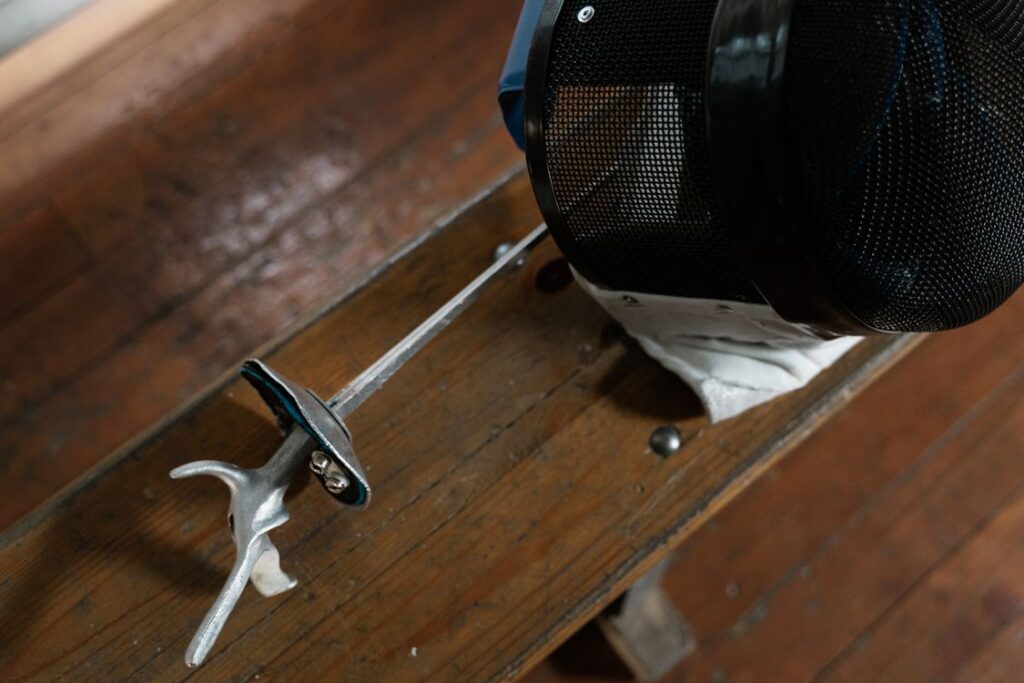
When your child starts fencing, the most useful things to watch are which weapon they use, when the referee stops the action and how they respond between exchanges. You do not need to judge every hit. Foil, epee and sabre have different scoring rules, so two lights on a scoring box do not always mean the same thing.
- Ask whether the session is foil, epee or sabre.
- Let the referee decide which hits count.
- Ask the coach to explain unfamiliar decisions after the session.
- Notice learning and enjoyment, rather than treating every exchange as a result.
Start by asking which weapon it is
British Fencing’s Explore the Weapons explains that foil and epee are thrusting weapons, while sabre permits cutting as well as thrusting actions. Their valid target areas also differ. That is enough to explain why a movement that scores in one weapon may not score in another.
You need not memorise the full target diagrams on your first visit. Ask the coach to show you the target for the weapon your child is learning. If a beginner activity uses adapted rules or plastic equipment, ask how that particular game works rather than applying what you remember from televised fencing.
Why two lights can be confusing
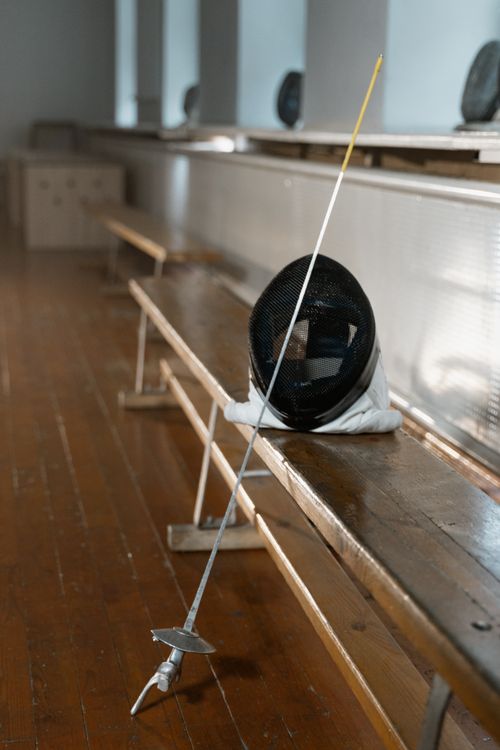
British Fencing’s Explore the Rules distinguishes epee from foil and sabre. Epee allows double hits in the circumstances set out by its rules. Foil and sabre use priority, often called right of way: the referee interprets the fencing action to decide whether either fencer receives a point.
That means a coloured light is not, by itself, a complete verdict. Nor is priority simply a prize for whoever seems to move first. British Fencing explicitly warns that identifying an attack takes interpretation. For a new spectator, listening to the referee’s explanation is more useful than trying to overrule it from the side.
Keep questions calm and well timed
British Fencing says it is possible to ask politely for clarification, but argues against shouting at or arguing with officials. Its guidance also makes clear that spectator behaviour matters. Our suggestion for a first club visit is to save general questions for a natural break and ask the coach how parents should raise anything they do not understand.
A useful question is, “What did the referee see there?” rather than, “Why wasn’t that our point?” The aim is to learn the vocabulary together. If your child wants to talk afterwards, ask what they were trying to do or what they would like to practise next.
A club session need not be a competition
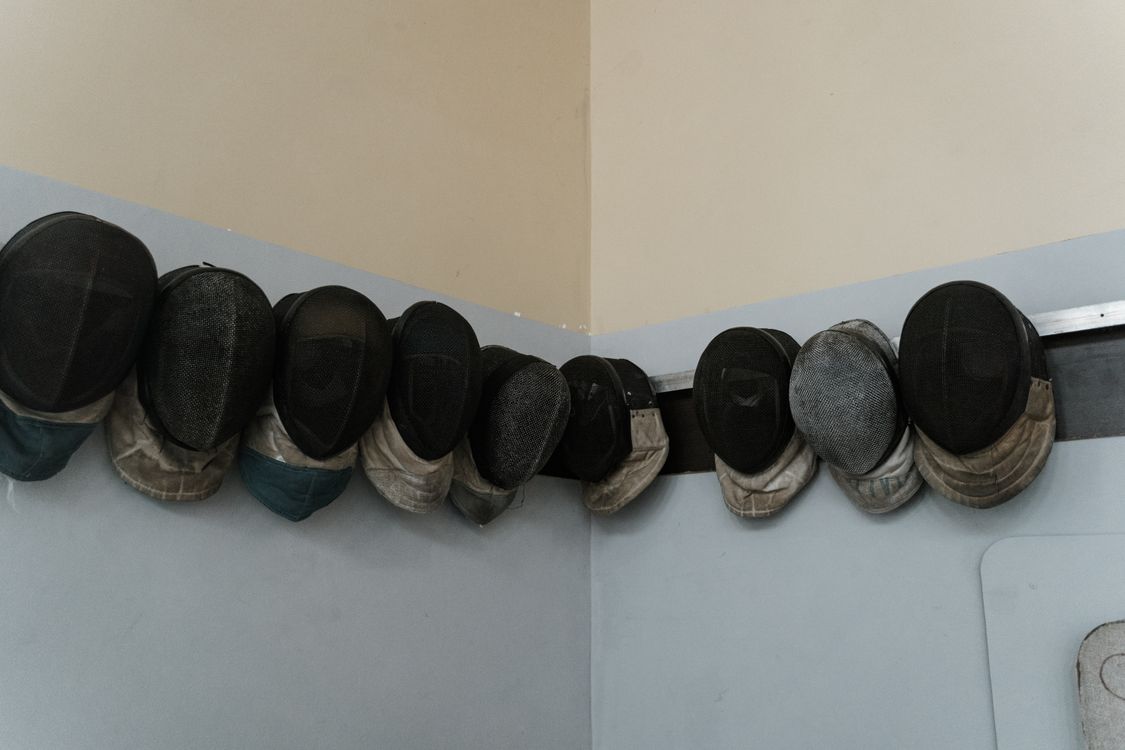
Fencing 101 describes experiences ranging from one-off plastic-kit activities to social clubs and performance competition. Ask what the session is designed to teach before comparing scores. A practice task may be about trying a particular action, not winning a bout.
For practical preparation, see our first fencing lesson clothing guide. Our starting-age guide and fencing section cover the next questions without turning the first visit into an equipment-shopping trip.
Common questions
Does every light mean a point?
No. The referee applies the weapon’s rules; a light alone does not explain the full decision.
Must parents learn the whole rulebook?
No. Start with the weapon and the coach’s explanation of the activity. This is an introductory spectator guide, not a competition rulebook.
What if my child is frustrated by a decision?
Give them space to settle, then encourage a calm question to the coach. You do not need to settle the refereeing question yourself.
Sources checked 12 November 2026: British Fencing, Explore the Weapons; Explore the Rules; Fencing 101. For an event, follow its current rules and the officials’ instructions.