What age can a child start fencing? A parent’s guide
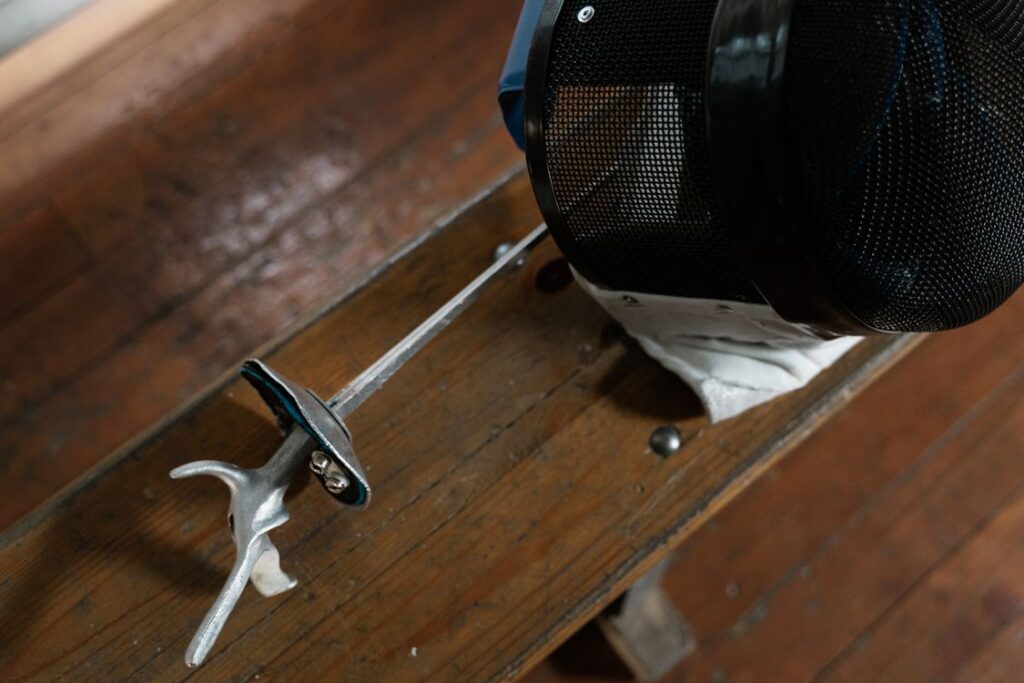
Children can start fencing from around age five. British Fencing’s MiniSword awards are designed for ages 5 to 7, using games that build coordination, balance and agility before any metal sword appears, and British Fencing describes fencing as a sport for all ages. Most children begin with plastic or foam kit, and most clubs will lend the equipment for first sessions.
In short:
- Age five is a realistic starting point, through British Fencing’s MiniSword programme for ages 5 to 7.
- Beginners usually fence with plastic or foam kit, not metal weapons.
- Clubs generally lend or hire out equipment, so you do not need to buy kit up front.
- British Fencing calls fencing one of the safest sports, thanks to its safety regulations and equipment standards.
- For a first session your child needs long tracksuit trousers, indoor trainers and a t-shirt.
The short answer
There is no single minimum age, because it depends on the child and the session. But the pathway is clearer than many parents expect. British Fencing’s entry-level award scheme starts at age five, and its beginner guidance says fencing is for everyone, whatever their age. If your child can listen to instructions, hold a light plastic sword and enjoy running around, they are old enough to try it.
Starting young: ages 5 to 7
The MiniSword awards, part of the British Fencing Achievement Awards, are built specifically for children aged 5 to 7. The three awards focus on the fundamentals of physical development: coordination (Green), balance (Blue) and agility (Yellow), alongside basic fencing skills. Sessions at this age are games-based and use plastic or foam equipment, so nothing about it feels like the duelling you might picture. As with early-years swimming lessons, the point at this stage is confidence and movement, not technique.
Moving on to club fencing
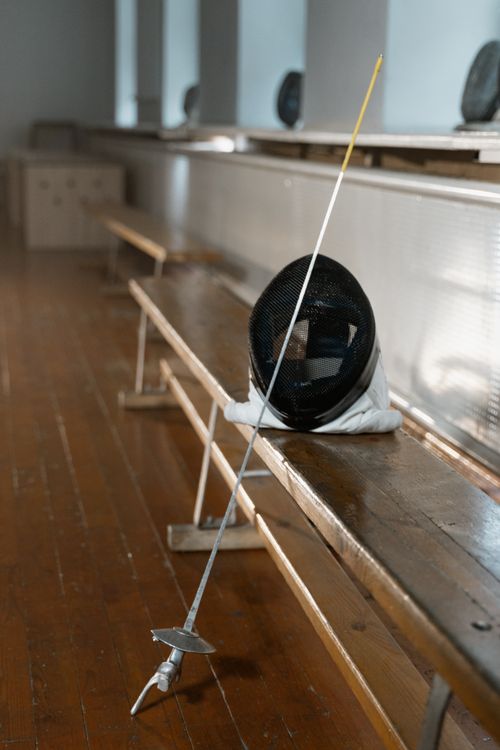
Older children typically join a beginner course at a local club. British Fencing’s beginner guidance notes that clubs cater for a range of ages and abilities, from fun one-off activities with plastic kit through social club sessions to competitive performance clubs, with competitions across the age groups. Most clubs let beginners borrow or hire equipment, which keeps the early cost down. The progression from MiniSword runs into the GO/FENCE awards (Bronze, Silver and Gold), which build fencing-specific skills step by step. If your child already does another sport, the crossover is friendly: the footwork suits children who enjoy racket sports or martial arts like judo.
Is fencing safe for children?
British Fencing states that fencing is one of the safest sports, thanks to the regulations in place around safety, equipment and accident reporting. Its Safety Guidelines set minimum standards for fencing wherever it takes place, and every fencer is expected to fence in a way that is safe and avoids dangerous actions. Beginners start with plastic or foam kit, and children are always masked before any metal weapon work. It is a controlled, supervised environment rather than a free-for-all.
What your child wears to a first session
No special kit is needed to try fencing. British Fencing’s advice for first sessions is long tracksuit trousers, indoor trainers and a t-shirt (long-sleeved if the club starts with plastic kit). The club supplies the mask, jacket and sword. One practical note from British Fencing: an intense session can burn 400 calories an hour, so pack a drink and a spare t-shirt.
Finding a club
Use the British Fencing Club Finder on its website to search for clubs near you; each club profile can include accessibility information, and wheelchair fencing is available at club and competition level. British Fencing membership is free for the first 90 days and includes insurance. For more, see our fencing guides.
Common questions
Can a 5-year-old really fence? Yes, in a games-based format. The MiniSword awards are designed for ages 5 to 7 and use plastic or foam equipment.
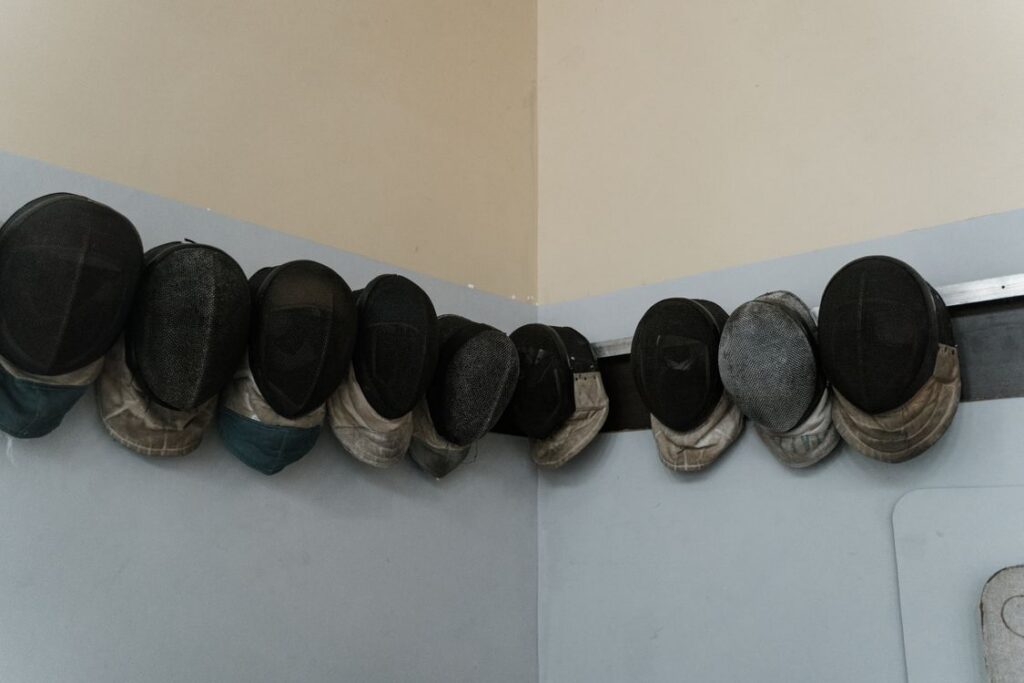
Do we need to buy a sword? No. Most clubs lend or hire out equipment to beginners, so buy nothing until your child has settled in.
Is fencing violent? No. British Fencing’s safety guidance is explicit that undue aggression is not part of fencing culture, and coaches are expected to instil a duty of care in every fencer.
What if my child has a disability? Many people fence with disabilities, and wheelchair fencing runs at club and competition level right up to the Paralympics.
Sources: British Fencing Achievement Awards (updated July 2026), British Fencing Fencing 101 beginner guidance (updated November 2026), British Fencing Safety Zone and Safety Guidelines (updated July 2026), British Fencing Club Finder (updated August 2026).