Dance styles explained: ballet, tap, modern, street and more
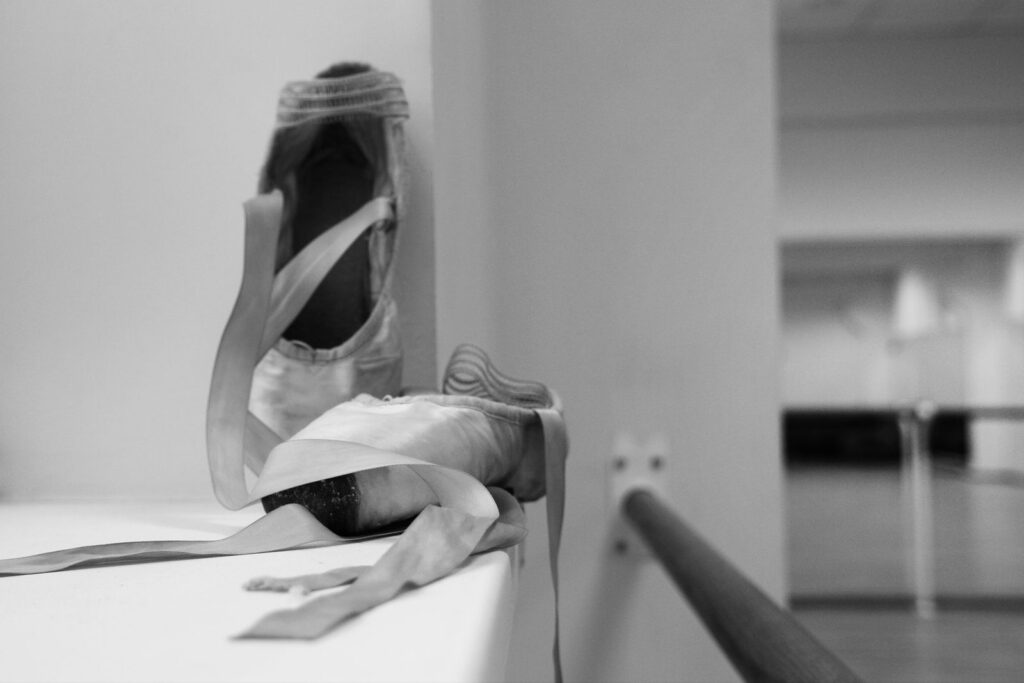
- Ballet is the structured classical style most children start with.
- Tap is rhythm made with the feet; modern theatre is the jazzy, theatrical style.
- Street and commercial are the styles children see in music videos.
- Each style has its own classes, and most have their own exam syllabuses.
Dance schools list a baffling row of styles on their timetables. Using the ISTD’s examination genres and real school class lists, here is what each one actually is, and which children tend to take to which.
Ballet
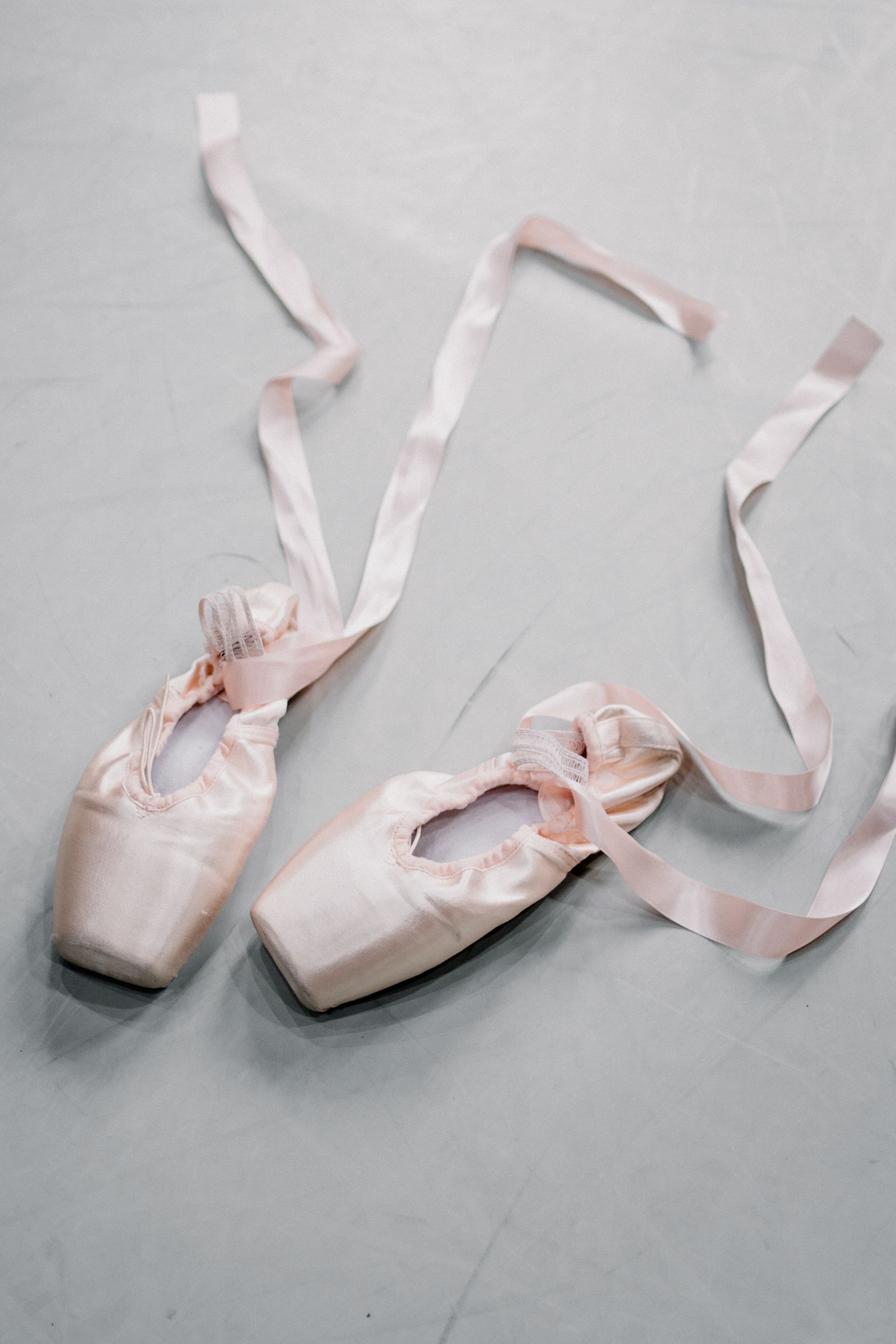
The foundation style: positions, turnout, grace and discipline, taught through syllabuses from the RAD and ISTD (the ISTD examines both Cecchetti and Imperial methods of classical ballet). Ballet underpins almost every other style, which is why schools recommend it first. Classes run from preschool age, and the uniform is the famous one: leotard, tights, ballet shoes.
Tap
Tap is percussion: dancers strike rhythms with metal plates on their shoes, turning their feet into an instrument. The ISTD examines tap from pre-primary level through grades and vocational awards. Children who love noise, rhythm and counting tend to love tap, and it suits dancers who find ballet too still.
Modern theatre and jazz
Modern theatre is the ISTD’s theatrical style: the kicks, leaps and turns of stage and screen musicals, examined from primary class examinations through grades. Jazz appears on timetables alongside it, covering the looser, more rhythmic end of the same territory. These are the styles for children who want to perform.

Street and commercial
Street dance covers the styles children already know from music videos, and schools run it in age-banded classes: Anderson Dance, for example, timetables street dance for 5-8, 8-10, 11-13 and 13-plus. The ISTD now runs street dance medal tests too, so even the newest style has a structured pathway. No uniform formality here; trainers and comfortable clothes are the norm.
Contemporary
Contemporary sits between ballet and street: expressive, grounded movement, often barefoot, with relaxed kit (any leotard with footless tights or leggings, per Mulberry School of Dance’s uniform list). Older children and teenagers tend to meet it first, and it rewards dancers who like interpreting music over perfecting positions.
And the rest
The ISTD’s examination list shows how wide the dance world is: alongside the styles above it examines national dance, classical Greek, classical Indian dance, modern ballroom, Latin American, disco freestyle and classical sequence. Most children will meet ballet, tap, modern and street at a local school; the others appear as children explore.
Common questions
Which style should my child start with? Ballet if they like structure and stories, street if they like music videos, tap if they like noise. Many schools offer combination classes that sample several styles in one session.
Can boys do ballet? Yes, and schools actively welcome boys: boys’ uniform is set out in school uniform lists alongside girls’, and ballet’s strength and jumping work appeals to plenty of boys once they try it.
Do different styles have different exams? Yes: each style has its own syllabus and grade ladder. Our exams guide explains how grades work across the styles.
Where can I read more? The sources below are the ISTD’s genre list and real school timetables. More guides sit in the dance section.